What Kind of Wig Looks Most Natural

When it comes to selecting a wig that looks most natural, there are numerous factors to consider, ranging from the material and cap construction to style and color. A natural-looking wig not only enhances your overall appearance but also boosts confidence by seamlessly blending with your features. Here’s a comprehensive guide to help you identify what kind of wig looks most natural.
1. Material: Human Hair vs. Synthetic Hair
The type of hair used in a wig plays a significant role in its natural appearance.
| Type | Advantages | Considerations |
|---|---|---|
| Human Hair | Offers a natural texture, shine, and movement. Can be styled using heat tools and dyed. | Requires maintenance similar to natural hair. Higher cost. |
| Synthetic Hair | Pre-styled and retains its shape even after washing. Lightweight and budget-friendly. | May lack the natural luster and movement of human hair. Limited styling options. |
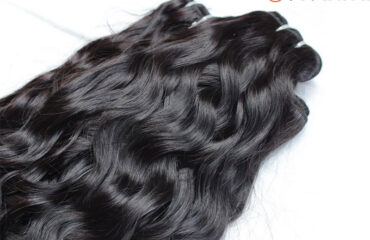
For the most natural look, wigs made from 100% virgin human hair, such as those offered by SISHAIR, are ideal. They mimic the texture and behavior of real hair, making them virtually indistinguishable.
2. Cap Construction: The Foundation of Natural Appearance
The construction of the wig cap greatly influences how natural the wig will look when worn. The following are common cap types and their benefits:
| Cap Type | Features | Natural Look Score |
|---|---|---|
| Lace Front | Features a sheer lace panel at the front. Creates a natural hairline. | High |
| Full Lace | Lace covers the entire cap. Allows for versatile parting and styling. | Very High |
| Monofilament | Has a hand-tied section for realistic scalp appearance. | High |
| Wefted | Machine-sewn wefts. Affordable but less natural-looking. | Moderate |
For the most realistic results, opt for lace front or full lace wigs. These provide an undetectable hairline and allow you to style the hair away from your face without revealing the wig base.
3. Hair Density: Finding the Right Balance
Hair density refers to the thickness of the wig. While it may be tempting to go for a voluminous style, overly dense wigs can appear artificial. The key is to choose a density that matches your natural hair:
| Density | Description | Best Used For |
|---|---|---|
| Light (50-80%) | Thin and lightweight. | Fine or thinning hair replacement. |
| Medium (100-130%) | Similar to natural hair density. | Everyday wear for a natural appearance. |
| Heavy (150-200%) | Full and thick. | Glamorous or dramatic styles. |
For daily wear, a medium density is usually ideal as it replicates the appearance of natural hair without looking overdone.
4. Color: Matching Your Skin Tone and Natural Hair
Choosing the right wig color is essential for achieving a realistic look. Here are some tips:
- Match your natural hair color: This ensures the wig blends seamlessly with your overall appearance.
- Consider your skin tone: Warm skin tones pair well with colors like golden blonde or auburn, while cool tones suit ash brown or platinum shades.
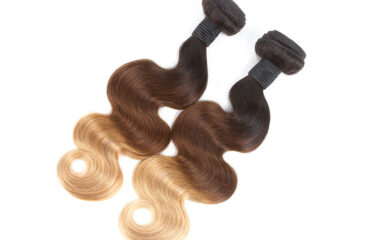
- Add highlights or lowlights: Dimension adds realism to the wig, as natural hair often has subtle color variations.
SISHAIR offers a wide range of color options, making it easy to find a shade that complements your complexion.
5. Hairline and Parting: Focusing on Realism
The hairline and parting are critical elements that can make or break the natural look of a wig.
- Pre-plucked Hairline: Wigs with a pre-plucked hairline mimic the gradual thinning seen in natural hair.
- Natural Parting: A lace or monofilament cap allows for a realistic scalp effect, especially when the wig is parted.
If needed, you can customize your wig by tweezing the hairline or using makeup to enhance the illusion of a scalp.
6. Length and Style: Tailoring to Your Features
The length and style of the wig should complement your face shape and personal preferences. Here’s a quick guide:
| Face Shape | Recommended Styles |
|---|---|
| Oval | Any style (bob, long layers, curls). |
| Round | Long layers, side parts, or soft curls. |
| Square | Soft waves or layered cuts. |
| Heart | Chin-length bobs or shoulder-length styles. |
SISHAIR offers wigs in various lengths and styles to suit every need, ensuring you find one that enhances your natural beauty.
7. Maintenance and Lifespan: Keeping the Wig Natural
The way you care for your wig affects how natural it continues to look over time. Follow these tips:
- Wash sparingly: Washing too often can wear down the fibers. Use gentle, sulfate-free shampoos.
- Store properly: Use a wig stand to maintain shape and avoid tangling.
- Avoid heat on synthetic wigs: Unless heat-resistant, exposing synthetic wigs to heat can damage them.
A well-maintained human hair wig, such as those from SISHAIR, can last over a year, while synthetic wigs typically last 4-6 months with proper care.
Conclusion
The most natural-looking wig depends on a combination of factors, including material, cap construction, density, color, and style. Human hair wigs, especially those from trusted brands like SISHAIR, provide unmatched realism and versatility. By paying attention to details like hairline, parting, and maintenance, you can ensure your wig appears flawless and blends seamlessly with your natural features. Whether you’re seeking a wig for medical reasons or simply for a style change, choosing the right one will leave you looking and feeling your best.