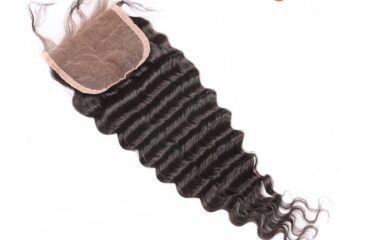
What’s Virgin Hair Mean

Virgin hair refers to hair that has never been chemically processed or altered in any way. This term is often used in the context of hair extensions, wigs, and weaves to describe hair that has retained its natural structure, color, and texture. Virgin hair is sought after for its high quality, natural appearance, and versatility, making it a popular choice for people who want long-lasting and realistic hair solutions. To fully understand what virgin hair means, let’s break down its characteristics, benefits, and how it stands out from other types of hair in the market.
1. What Defines Virgin Hair?
Virgin hair is hair that has not been subjected to any form of chemical treatment. This includes hair coloring, bleaching, perming, relaxing, or any other process that alters the natural state of the hair. For hair to be considered virgin, it must meet several criteria:
| Criteria | Description |
|---|---|
| Chemical-Free | No dyes, bleaches, perms, or relaxers have been used on the hair. |
| Cuticle Intact | The cuticles (the outer layer of the hair strand) are intact and aligned. |
| Single Donor | Typically sourced from one donor to maintain consistency in texture. |
| Natural State | The hair has its original texture and has not been processed or altered. |
Virgin hair is often collected from donors who have healthy hair care practices, ensuring the strands are strong, smooth, and free from damage. The hair is carefully cut from the donor’s ponytail to maintain its natural alignment and prevent tangling.
2. How Virgin Hair Differs from Non-Virgin Hair
Non-virgin hair, also known as processed or altered hair, differs significantly from virgin hair. Processed hair undergoes chemical treatments to achieve specific colors, textures, or finishes, while virgin hair remains untouched. Below is a comparison to help differentiate the two:
| Feature | Virgin Hair | Non-Virgin Hair |
|---|---|---|
| Chemical Treatments | None | Typically chemically treated |
| Durability | Long-lasting with proper care | Shorter lifespan due to damage |
| Appearance | Natural shine and texture | Processed appearance |
| Maintenance | Low-maintenance | Requires more care to prevent damage |
| Styling Options | Can be dyed, bleached, or styled | Limited due to prior chemical exposure |
Virgin hair’s natural quality makes it more versatile and durable, which is why it is highly valued in the industry. Brands like SISHAIR specialize in providing premium virgin hair that meets these stringent standards, ensuring customers receive the best quality.
3. Types of Virgin Hair Textures
Virgin hair comes in various textures, reflecting the natural hair patterns of the donors. Common textures include:
| Texture Type | Description |
|---|---|
| Straight | Sleek and smooth, with no natural curl or wave. |
| Wavy | Features loose, flowing waves that add volume and movement. |
| Curly | Defined curls that range from loose to tight. |
| Kinky/Coily | Tight, springy coils with a lot of volume and texture. |
Each texture offers unique styling possibilities, allowing users to choose the look that best matches their natural hair or desired aesthetic.
4. Benefits of Choosing Virgin Hair
Virgin hair has several advantages that make it a superior choice for hair extensions, wigs, and weaves:
- Natural Appearance: Since virgin hair has not been chemically processed, it retains its natural look, blending seamlessly with your own hair.
- Durability: With proper care, virgin hair can last for years, making it a cost-effective investment.
- Styling Versatility: Virgin hair can be dyed, bleached, curled, or straightened without compromising its integrity.
- Tangle-Free and Low-Shedding: The intact cuticles and aligned strands minimize tangling and shedding, ensuring a smooth experience.
- Hypoallergenic: Virgin hair is free from harsh chemicals, making it safe for individuals with sensitive scalps.
SISHAIR, for example, offers virgin hair products that provide these benefits, delivering a premium experience for users looking for high-quality hair solutions.
5. How to Care for Virgin Hair
Proper maintenance is crucial to ensure the longevity and beauty of virgin hair. Here are some essential care tips:
- Washing: Use sulfate-free shampoos and conditioners to preserve the hair’s natural moisture.
- Drying: Avoid excessive heat; instead, air-dry the hair whenever possible.
- Styling: Use heat-protectant products before using curling irons or straighteners, and avoid over-styling.
- Storage: Store wigs or extensions in a cool, dry place and use a protective bag or mannequin head to maintain their shape.
- Regular Detangling: Use a wide-tooth comb or brush to gently detangle the hair, starting from the ends and working your way up.
Following these steps can help maintain the quality and longevity of virgin hair, ensuring it stays soft, shiny, and manageable.
6. Why Choose SISHAIR for Virgin Hair?
SISHAIR is a trusted name in the hair industry, known for delivering authentic virgin hair products that meet the highest standards of quality. Their hair is sourced ethically and undergoes strict quality checks to ensure it is truly virgin. SISHAIR offers a wide range of textures, lengths, and styles, catering to diverse preferences and needs. Whether you want silky straight hair or bouncy curls, SISHAIR’s virgin hair collections provide unmatched versatility and durability.
Conclusion
Virgin hair is a premium option for those seeking natural, long-lasting, and versatile hair extensions, wigs, or weaves. Its chemical-free nature, intact cuticles, and durability set it apart from non-virgin hair. With proper care, virgin hair can maintain its quality for years, making it a worthwhile investment. Brands like SISHAIR have established themselves as reliable providers of authentic virgin hair, offering products that cater to a variety of styles and preferences. Whether you’re new to hair extensions or a seasoned user, virgin hair provides a luxurious and practical solution for achieving your desired look.