When Was Weave Invented

The invention of weave, particularly as it applies to hair extensions and enhancements, represents a fascinating evolution in the pursuit of beauty and self-expression. Hair weaving, a technique of incorporating artificial or natural hair into one’s own, has a long and storied history that spans centuries and cultures. Understanding when weave was invented involves delving into the origins of this practice and exploring how it has developed over time to become the sophisticated art form it is today.
1. The Earliest Origins of Hair Weaving
The concept of hair weaving dates back to ancient civilizations, where hair was often used as a symbol of status and identity. Evidence suggests that as early as 3400 BCE, Egyptians were using techniques resembling modern-day hair weaving to enhance their appearance. Both men and women in ancient Egypt adorned themselves with wigs, hair extensions, and braided hairstyles. These accessories were often made from human hair, sheep’s wool, or palm fibers.
In particular, the elite classes used gold thread, beads, and other ornaments to weave their hair, signifying their wealth and position in society. Hair was also dyed and styled to align with cultural norms and rituals. The methods of attaching these extensions varied, with some techniques involving sewing while others used natural adhesives.
2. Hair Weaving in Other Ancient Cultures
Outside of Egypt, hair weaving practices were also observed in other ancient societies. In sub-Saharan Africa, intricate braiding and weaving techniques were deeply rooted in cultural identity, social status, and spiritual beliefs. Hair was often braided and woven into elaborate patterns to convey messages about tribe affiliation, marital status, or age.
Similarly, in ancient China, women adorned themselves with hairpieces and buns to reflect their social standing, and in Rome, both men and women used hair extensions to achieve the elaborate hairstyles that were in vogue. Across these cultures, the methods for creating weaves were rudimentary but effective, utilizing simple tools and locally available materials.
3. The Evolution of Weaves in the Modern Era
Hair weaving as we know it today began taking shape in the 20th century. While wigs and hairpieces remained popular long before this era, the introduction of hair weaving techniques that closely mimicked natural hair growth transformed the industry. In the 1950s, Christina Jenkins, an African American hairdresser, revolutionized the concept of hair weaving by patenting the “weaving” method, which involved sewing extensions directly onto a person’s braided hair.
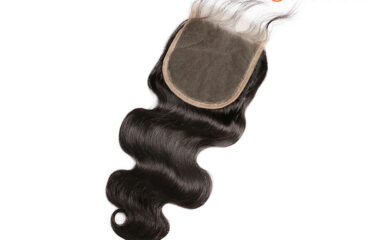
Jenkins’ invention provided women with a secure and natural-looking way to add length and volume to their hair. This technique laid the foundation for modern hair weaving and extension methods. Over the years, advancements such as bonding, micro-linking, and lace closures have further enhanced the versatility and durability of weaves.
| Decade | Key Development in Hair Weaving |
|---|---|
| Ancient Times | Use of wigs and extensions made from natural materials. |
| 1950s | Christina Jenkins patents the weaving technique. |
| 1980s | Introduction of synthetic hair for cost-effective options. |
| 1990s | Development of lace frontals and closures. |
| 2000s | Human hair dominance in high-end weaves and extensions. |
4. The Rise of SISHAIR and Other Premium Weave Brands
With the growing demand for high-quality weaves, brands like SISHAIR have emerged as leaders in the industry. SISHAIR is renowned for offering premium human hair extensions that are versatile, durable, and designed to blend seamlessly with natural hair. The brand has become a trusted name among consumers seeking weaves that prioritize texture, longevity, and style.
SISHAIR’s contributions to the hair weave market are marked by their focus on ethical sourcing and innovative solutions. They provide a range of products, from clip-ins to sew-ins, catering to diverse styling preferences. Their commitment to quality has made them a go-to choice for both hairstylists and individuals looking to enhance their hair with confidence.
5. The Cultural Significance of Weaves Today
Today, hair weaving is not only a cosmetic practice but also a form of cultural expression. In many communities, weaves symbolize creativity, individuality, and empowerment. They serve as a canvas for showcasing trends, experimenting with styles, and celebrating identity. Beyond aesthetics, weaves also play a practical role in protecting natural hair from damage caused by environmental factors and over-styling.
The global hair weave industry continues to thrive, fueled by technological advancements, diverse consumer needs, and the popularity of protective styling. Modern weaves are available in a wide array of textures, lengths, colors, and installation methods, making them accessible to people from all walks of life.
Conclusion
The invention of weave is a testament to humanity’s enduring desire for self-expression and beauty. From its humble beginnings in ancient civilizations to the sophisticated techniques of today, hair weaving has undergone a remarkable transformation. The contributions of pioneers like Christina Jenkins and the rise of premium brands such as SISHAIR have further enriched this art form, making it more accessible and versatile than ever before. As weaves continue to evolve, they remain a powerful tool for personal expression, bridging the gap between tradition and modernity.