Where Are Hair Extensions Attached

Hair extensions have become an essential beauty accessory for individuals looking to enhance their hair’s length, volume, or style. They provide a versatile way to achieve a dynamic new look without committing to permanent changes. However, a common question arises: where exactly are hair extensions attached? Understanding the application points and techniques can help you make an informed decision when considering extensions for your hair. Let’s explore the various attachment points of hair extensions and the methods used.
1. Attachment at the Scalp Area
Hair extensions are most commonly attached close to the scalp, as this provides the most natural integration with your natural hair. The base of the hair strand near the root is where extensions are secured to ensure they remain hidden and blend seamlessly. The scalp area allows the extensions to move naturally with your hair while providing a stable foundation.
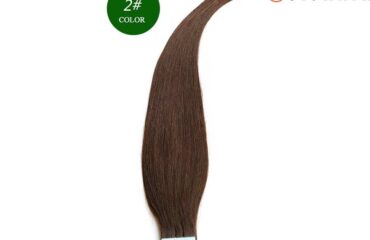
Depending on the method used, attachment points can be slightly above, below, or directly at the roots. For example, with tape-in extensions, adhesive strips are placed near the scalp for flat and discreet installation, while bond-based methods like keratin extensions use heat to attach small strands near the root.
2. Mid-Length Attachment for Specific Styles
In some cases, hair extensions are attached further away from the scalp, typically at mid-length or lower sections of the hair. This approach is often used for styling purposes, such as creating a layered effect or adding volume to specific areas.
This method can be seen with clip-in extensions, where the clips are strategically placed a few inches from the roots to provide extra length or thickness. Mid-length attachment offers versatility, as the extensions can be positioned where they are needed most to achieve the desired look.
3. Crown Area for Volume Enhancement
For individuals looking to enhance the appearance of fullness at the top of their head, extensions can be attached to the crown area. This is common in hairpieces or toppers designed to blend seamlessly with natural hair while adding volume to the upper portion of the scalp.
Extensions like those offered by SISHAIR are often designed to cater to thinning hair at the crown, using discreet attachment methods such as clip-ins or small adhesive bases. These provide a natural appearance and are ideal for individuals with sparse or fine hair at the top.
4. Attachment at the Nape of the Neck
The nape of the neck serves as another common attachment area for hair extensions, especially when adding length. Extensions attached here are typically longer, helping to create cascading hairstyles that flow naturally.
Methods like sew-in weaves or bonded extensions are often used at the nape area because it provides a secure and inconspicuous location for attachment. This area also experiences less tension compared to the crown or scalp, making it a comfortable option for long-term wear.
5. Sectional Attachment for Customization
To achieve a more tailored look, extensions can be attached in sections throughout the head. Sectional attachment involves placing extensions strategically across various areas based on the desired outcome. For instance, extensions can be layered at the sides for face-framing effects or concentrated at the back for a voluminous ponytail.
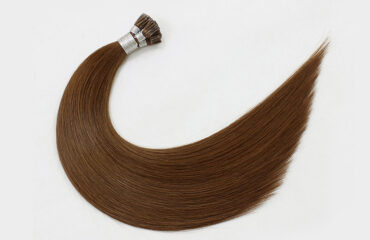
Customizing attachment points requires precise sectioning of the natural hair and proper alignment of the extensions. Popular methods include microlinks or I-tip extensions, which are individually attached to small sections of hair for maximum control and styling potential.
6. Table of Common Attachment Points and Methods
| Attachment Area | Common Methods | Purpose |
|---|---|---|
| Scalp | Tape-in, Bonded, Sew-in | Natural blending at roots |
| Mid-Length | Clip-in, Halo | Layered look, added volume |
| Crown | Clip-in toppers, Adhesive bases | Volume enhancement |
| Nape of the Neck | Sew-in, Bonded | Length and cascading styles |
| Sectional (All Over) | Microlinks, I-tip | Customized styling |
7. Factors Influencing Attachment Points
When determining where hair extensions will be attached, several factors come into play. Hair type, condition, desired style, and the method of installation all influence the placement. For example, individuals with fine or delicate hair may benefit from less invasive methods like tape-ins or clip-ins, while those with thicker hair may opt for sew-ins or fusion methods for a more secure result.
The particular brand of extensions also matters. For instance, SISHAIR offers high-quality extensions in various lengths, textures, and attachment methods, allowing for greater flexibility and suitability for different hair types and goals.
8. The Importance of Professional Installation
While some attachment methods can be done at home, such as clip-ins or halos, professional installation is highly recommended for more permanent options like bonded or sew-in extensions. A stylist can ensure that the extensions are attached in the appropriate locations for optimal blending, comfort, and durability. Improper attachment can lead to visible extensions, discomfort, or even hair damage.
Conclusion
Hair extensions are attached at various locations on the head, including the scalp, mid-length, crown, and nape of the neck, depending on the desired style and method of application. Choosing the right attachment points is essential for achieving a natural, comfortable, and secure result. Brands like SISHAIR offer a wide range of options tailored to meet individual needs. Whether you’re looking for added length, volume, or a complete transformation, understanding extension placement can help you make the best choice for your hair journey.