Where Does Ombre Hair Start
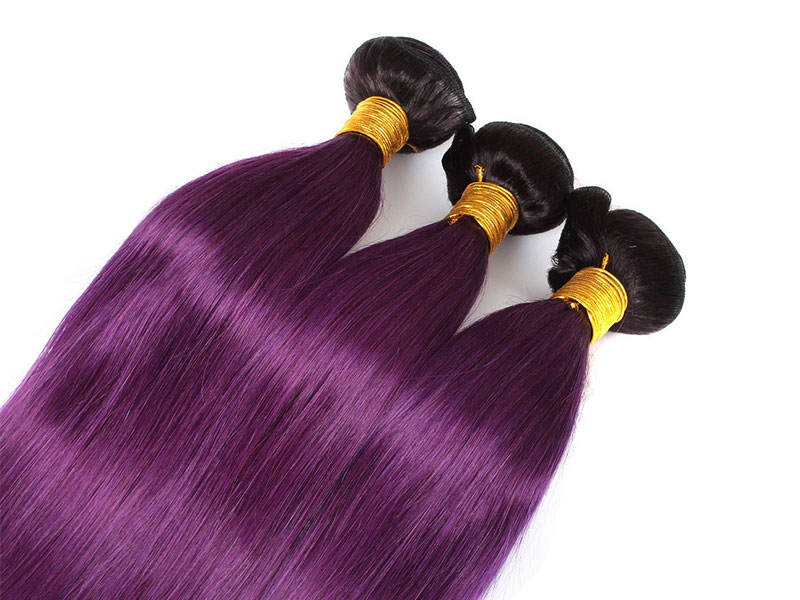
Ombre hair has become a defining trend in the world of hairstyling, offering a blend of subtle transitions and bold contrasts. Its beauty lies in its gradual gradient effect, seamlessly blending two or more colors. However, one of the most common questions surrounding this trend is: where does ombre hair start? Understanding the starting point is crucial to achieving the desired look while ensuring the style suits your face shape, hair length, and personal preferences. Here’s a comprehensive exploration of this topic.
1. The Basics of Ombre Hair Placement
The "start" of ombre hair refers to the point at which the darker shade transitions into the lighter shade, creating the signature gradient. Unlike highlights or balayage, which may begin at the roots, ombre typically starts further down the hair shaft to maintain its distinct look. The placement of this transition plays a significant role in the overall aesthetic of the hairstyle.
Understanding the starting point is key to achieving a natural and well-blended effect. Too high, and the ombre may appear harsh and unnatural. Too low, and it may not have enough space to create the desired gradient.
2. Face Shape and Ombre Starting Point
The ideal starting point for ombre hair depends on your face shape. Here’s how you can determine the right placement based on your features:
| Face Shape | Recommended Starting Point |
|---|---|
| Oval | Midway down the hair or just below the cheekbones to create balance and elongate the profile. |
| Round | Start slightly lower, around the jawline, to create the illusion of a longer face. |
| Heart | Begin just below the chin to soften the sharpness of the jawline. |
| Square | Around the mid-lengths of the hair to soften angular edges. |
| Long | Closer to the roots or just above the cheekbones to add volume and width to the face. |
This table highlights how customizing the start of the ombre to your face shape can enhance your features and create a harmonious look.
3. Hair Length and Ombre Transition
The length of your hair also influences where ombre hair should start. Shorter haircuts, like bobs or lobs, require a different approach compared to long, flowing locks.
-
Short Hair (Above the Shoulders): For shorter hairstyles, the ombre transition should start closer to the roots, around the ear level. This ensures enough room to showcase the gradient effect while maintaining a natural appearance.
-
Medium-Length Hair (Shoulder-Length): Ombre on medium hair typically starts at the mid-lengths or just below the ear line. This creates a balanced and flattering look that is neither too bold nor too subtle.
-
Long Hair (Below the Shoulders): With longer hair, you have the flexibility to start the ombre lower, around the chest or collarbone area, to create a dramatic effect. Alternatively, you can opt for a higher starting point for a more blended appearance.
4. Hair Texture and Ombre Placement
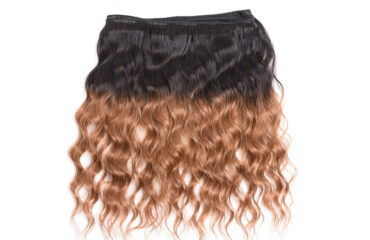
Hair texture also plays a role in determining where the ombre should start. Straight hair allows for a more defined transition, so the starting point can vary depending on your preference for a subtle or bold look. For wavy or curly hair, the transition should begin slightly higher, as the texture naturally softens the gradient and blends the colors seamlessly.
In textured or kinky hair, starting the ombre closer to the mid-lengths can create a striking effect without looking disconnected. A professional stylist, such as those experienced in working with SISHAIR extensions, can help ensure the gradient is applied evenly and suits your hair type.
5. Ombre and Lifestyle Considerations
Your lifestyle and maintenance preferences should also influence where ombre hair starts. Those who prefer low-maintenance styles may benefit from a starting point lower on the hair shaft, as this allows for less frequent touch-ups. On the other hand, a higher starting point can give a more noticeable gradient, though it may require more regular upkeep to maintain the look.
SISHAIR extensions can be a great option for achieving ombre without committing to permanent dyeing. These high-quality extensions offer pre-blended ombre effects, allowing you to experiment with different starting points and styles effortlessly.
6. The Role of Professional Expertise
While it’s tempting to try ombre hair at home, achieving the perfect starting point and gradient often requires the expertise of a professional stylist. Stylists trained in techniques like hand-painting or foiling can determine the ideal placement for your ombre based on your unique features, hair type, and desired outcome. SISHAIR salons and products are often trusted for their precision and high-quality results, ensuring a flawless finish every time.
7. Customizing Ombre for a Unique Look
No two ombre hairstyles are alike, and the starting point can be tailored to suit your personal style. For a bold, edgy look, consider a high-contrast ombre that starts closer to the roots. For something softer and more natural, opt for a low ombre that starts closer to the ends. Combining different colors, such as pastel shades or vibrant hues, can further customize the look.
Conclusion
Where ombre hair starts is a critical decision that impacts the overall look and feel of the hairstyle. Factors such as face shape, hair length, texture, and lifestyle preferences all play a role in determining the ideal placement. Whether you prefer a subtle gradient or a dramatic contrast, understanding these principles will help you achieve a beautiful and balanced result. For those seeking professional-grade results, SISHAIR offers premium products and expertise to bring your vision to life. By carefully considering the starting point and collaborating with a skilled stylist, you can create an ombre hairstyle that reflects your personality and enhances your natural beauty.