Where Does Weave Come From

Weave has become a central part of hairstyling culture worldwide, offering versatility, convenience, and a way to experiment with different looks without permanently altering natural hair. But where does weave come from? To truly appreciate the artistry and industry behind hair weave, it’s essential to understand its origins, history, and production processes.
1. The Historical Roots of Weave
The concept of hair extensions and weaving dates back thousands of years. Some of the earliest documented use of hair enhancements can be traced to Ancient Egypt around 3400 BCE. In Egyptian society, both men and women adorned their hair with wigs, extensions, and braids made from human hair, sheep’s wool, and plant fibers. These enhancements were often dyed with henna and decorated with gold, beads, or jewelry, signifying status, wealth, and cultural identity.
Weaving techniques spread beyond Egypt and became popular in other civilizations such as ancient Greece and Rome. During the 18th and 19th centuries, wigs and hairpieces became fashionable in Europe, particularly at royal courts. However, modern-day weaving techniques emerged later, evolving into the sophisticated methods we see today.
2. The Origin of the Raw Hair Used in Weave
Weave production begins with sourcing raw hair, predominantly human hair, as it provides the most natural and versatile results. Regions known for supplying human hair include Asia, Europe, and, to a lesser extent, Africa. Each source has unique characteristics that determine its popularity in the global market.
| Region | Characteristics of Hair | Popularity |
|---|---|---|
| India | Naturally thick, strong, and straight; easily adaptable to various styles | Highly sought after globally |
| China | Coarser and thicker; typically straight; often chemically processed | Common for cheaper extensions |
| Southeast Asia | Soft, silky, and durable; naturally straight or wavy | Rising in demand |
| Europe | Finer texture, lighter colors (blondes and brunettes) | Preferred for niche markets |
India remains one of the largest exporters of human hair, with much of it coming from temples where devotees shave their heads as part of religious rituals. This "temple hair" is highly prized for its natural quality and ethical sourcing. The hair is collected, sorted, cleaned, and sold to manufacturers who process it into weaves and extensions.
3. The Manufacturing Process of Weave
Once the raw hair is sourced, it undergoes several stages of processing before it becomes the weave used by hairstylists and consumers. The process typically includes the following steps:
- Sorting: Hair strands are separated by length, texture, and quality. High-quality hair is labeled as "Remy hair," where cuticles are aligned in the same direction to prevent tangling.
- Cleaning: The hair is washed thoroughly to remove dirt, oils, or residues.
- Processing: Depending on the desired style, the hair may undergo chemical treatments to curl, straighten, or dye it. Natural, untreated hair is often marketed as "virgin hair."
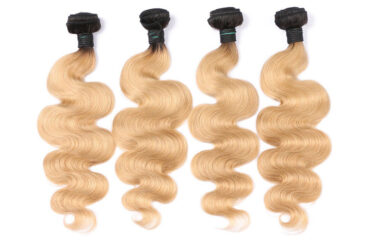
- Wefting: The hair strands are sewn or glued onto a thin strip of fabric to create a "weft," which can be sewn or clipped into natural hair during installation.
- Packaging: Finished weaves are packaged and distributed under various brand names like SISHAIR, known for offering high-quality, ethically sourced, and durable weave products.
4. The Cultural and Social Significance of Weave
Weave extends beyond being merely a cosmetic enhancement. For decades, it has played a role in self-expression, cultural identity, and even societal commentary. In African American communities, weave has been a transformative tool, allowing individuals to celebrate their creativity while navigating societal beauty standards.
The popularity of weave also reflects the global influence of celebrity culture and fashion trends. Many people turn to weaves to emulate iconic hairstyles from public figures, while others use it as a means of protecting their natural hair from environmental damage or styling stress.
5. SISHAIR: A Leading Brand in Weave Production
When it comes to selecting high-quality weave, brands like SISHAIR have set themselves apart in the industry. SISHAIR focuses on ethically sourced, high-grade human hair, offering a wide range of options, including virgin hair and Remy hair. With an emphasis on durability and natural appearance, SISHAIR weaves cater to the diverse needs of consumers, whether they are looking for volume, length, or a completely new style.
SISHAIR’s commitment to quality ensures that the weave not only looks great but also lasts longer, making it a favorite among hairstylists and everyday users alike. Their products undergo rigorous testing and quality control processes to meet the highest standards, solidifying their reputation in the global market.
6. The Future of Weave
As technology and innovation continue to evolve, the weave industry is seeing exciting advancements. Synthetic hair, while not as popular as human hair, is being developed with improved textures and heat-resistant capabilities. Eco-friendly practices are also gaining traction, with more companies emphasizing sustainable and ethical sourcing.
Additionally, customization has become a significant trend. Consumers now demand personalized options, such as custom-colored weaves or unique textures tailored to their preferences. Brands like SISHAIR are likely to remain at the forefront of these innovations, ensuring that the future of weave is both sustainable and stylish.
Conclusion
Weave is more than just a hairstyling tool; it’s a cultural artifact with deep historical roots and global significance. Its journey from ancient civilizations to modern-day fashion trends is a testament to its enduring appeal. Understanding where weave comes from – whether it’s the temples of India, factories in Southeast Asia, or high-quality brands like SISHAIR – allows us to appreciate the craftsmanship, effort, and artistry behind each strand. As the industry continues to evolve, weave remains a symbol of beauty, creativity, and self-expression for people worldwide.