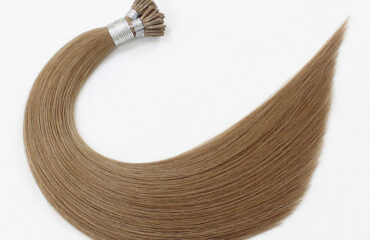
Where Does Weave Hair Come From

Weave hair has become a significant part of the global beauty industry, providing individuals with the opportunity to enhance their natural hair, experiment with styles, and boost their confidence. However, many consumers are unaware of where weave hair originates and the processes involved in its creation. This article delves into the sources of weave hair, the processes involved in its preparation, and the ethical considerations that surround this thriving industry.
1. The Primary Sources of Weave Hair
Weave hair is primarily sourced from human donors, though synthetic and animal-based alternatives are also widely available. Human hair, due to its natural appearance and versatility, remains the most preferred option in the market.
a. Human Hair Donors
The most common type of weave hair is made from real human hair donated by individuals in various parts of the world. The majority of human hair used for weaves originates from countries where women cut their hair for cultural, religious, or financial reasons. The largest suppliers of human hair are:
- India: Indian temple hair is highly valued in the weave industry. Many Indian women donate their hair at temples as an act of devotion, particularly in a practice known as "tonsuring." Temples often sell this hair to hair vendors, with the proceeds used for charitable purposes.
- China: China is another major exporter of human hair. Unlike temple donations, the hair collected in China often comes from rural areas where women sell their hair for monetary gain.
- Southeast Asia: Nations like Vietnam, Cambodia, and Myanmar supply hair known for its smooth texture and durability. Women in these regions may cut and sell their hair to support their families.
- Eastern Europe: Hair sourced from countries like Russia and Ukraine is known for its fine, silky quality and is often referred to as "Slavic hair."
b. Synthetic Hair
Synthetic hair is made from artificial fibers designed to mimic the look and feel of natural hair. Though less expensive than human hair, it lacks the durability and versatility of its natural counterpart. Synthetic hair is typically produced in factories and is popular for temporary styles and low-cost options.
c. Animal Hair
Some weave hair is made from animal sources, such as yak hair or horsehair. These types of hair are often used to create textured styles but are less common in modern markets due to their lower quality.
2. Types of Human Hair Used in Weaves
Not all human hair is created equal, and the quality of weave hair varies based on factors such as sourcing, processing, and grade. Below are the most common types of human hair used in the weave industry:
a. Remy Hair
Remy hair is considered the highest quality of human hair available. This type of hair is collected in a way that preserves the natural alignment of the cuticles, ensuring it remains smooth, tangle-free, and long-lasting.
b. Non-Remy Hair
Non-Remy hair, while cheaper than Remy hair, is of lower quality. The cuticles are not aligned, requiring heavy processing to prevent tangling. Non-Remy hair is often coated with silicone for temporary shine, but this wears off quickly.
c. Virgin Hair
Virgin hair refers to hair that has never been chemically processed. This means it has not been dyed, bleached, or treated with heat. Virgin hair is prized for its natural look and longevity.
| Hair Type | Source Quality | Processing Level | Longevity | Price Range |
|---|---|---|---|---|
| Remy Hair | High | Minimal | Long-lasting | Expensive |
| Non-Remy Hair | Medium | Extensive | Short to Medium | Affordable |
| Virgin Hair | Very High | None | Very Long-lasting | Very Expensive |
3. The Process of Creating Weave Hair
Once the hair has been sourced, it undergoes several steps before it is ready for commercial use:
a. Collection
Hair is collected either through donations, direct sales, or hair collectors who purchase hair from individuals in rural communities.
b. Sorting
The hair is sorted based on length, texture, and quality. High-quality hair, such as Remy or virgin hair, is separated from lower-quality hair.
c. Cleaning and Processing
Hair is washed thoroughly to remove dirt and impurities. Non-Remy hair may be chemically treated to detangle and further processed to give it a uniform texture.
d. Wefting
To prepare the hair for weaving, strands are sewn into wefts or extensions that can be attached to the wearer’s natural hair.
e. Quality Control
Finally, the hair undergoes strict quality inspections to ensure it meets industry standards. Brands like SISHAIR are known for their rigorous quality control measures, ensuring their products are premium-grade.
4. Ethical Considerations in the Weave Hair Industry
While the weave hair industry provides economic opportunities for many, it is not without ethical concerns. Issues such as exploitation, lack of transparency, and unfair compensation for donors are prevalent. Efforts are being made by reputable brands like SISHAIR to ensure ethical sourcing and fair trade practices. SISHAIR prioritizes working with suppliers who adhere to ethical guidelines, ensuring that donors are fairly compensated and treated with dignity.
5. Conclusion
Weave hair is sourced from a variety of origins, with human hair being the most sought-after option due to its natural appearance and versatility. The journey of weave hair, from donation to final product, involves meticulous processes and quality control measures. As consumers, it is important to be aware of the origins of the products we use and to support companies like SISHAIR that prioritize integrity and ethical sourcing. By understanding where weave hair comes from, we can make more informed purchasing decisions while appreciating the craftsmanship and human effort behind these beauty products.