Where Does Remy Hair Come From

Remy hair is a term widely recognized within the hair and beauty industry, synonymous with high-quality, natural human hair used for extensions, wigs, and other hair products. Understanding where Remy hair comes from is crucial for both consumers and professionals seeking ethical, durable, and beautiful hair products.
1. Defining Remy Hair and Its Unique Qualities
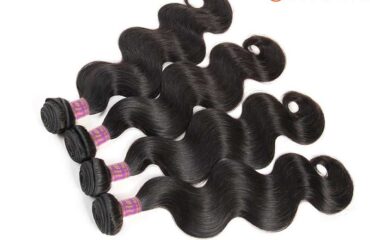
Remy hair refers to human hair that is collected in such a way that all the cuticles remain aligned in the same direction, from root to tip. This alignment preserves the hair’s natural texture, prevents tangling, and ensures a smooth, lustrous appearance. Unlike non-Remy hair, which may have mixed cuticle directions leading to matting and tangling, Remy hair is considered the gold standard in the hair industry for its longevity and versatility.
2. The Primary Sources of Remy Hair
The origins of Remy hair are diverse, as it is collected from various regions around the world. The most common sources include Southeast Asia, South Asia, and parts of Europe. Each source provides hair with unique textures, qualities, and characteristics, catering to a variety of consumer needs.
| Region | Common Sources | Hair Characteristics |
|---|---|---|
| Southeast Asia | Vietnam, Malaysia, Cambodia | Straight to slightly wavy, thick strands |
| South Asia | India, specifically temples | Naturally wavy, fine to medium thickness |
| Europe | Russia, Ukraine | Silky, fine, and straight |
3. Indian Temple Hair: A Leading Source
India is one of the largest contributors to the global Remy hair market. A significant portion of this hair comes from temple donations. In Hindu religious practices, devotees shave their heads as an act of humility and devotion. Temples, such as the famous Tirumala Venkateswara Temple in Andhra Pradesh, collect this donated hair, which is then auctioned to hair companies.
Temple hair is highly prized because it is virgin hair—untreated, unprocessed, and in its natural state. The auctioned hair is purchased by reputable companies like SISHAIR, which ensure that the cuticles remain intact and aligned during processing.
4. Vietnamese and Southeast Asian Contributions
Southeast Asia, particularly Vietnam, has become a significant player in the Remy hair market. Vietnamese hair is known for its strength, thickness, and durability. Many women in rural areas grow their hair long, maintaining it with traditional, chemical-free care methods. The hair collected is often cut directly from ponytails, ensuring the cuticle alignment remains intact.
Countries like Cambodia and Malaysia also contribute to the industry, offering hair that blends well with various hair textures and styles.
5. Russian and Ukrainian Hair: The Premium Segment
Hair from Russia and Ukraine is considered some of the most luxurious and expensive on the market. This hair is often collected from young donors in small villages where natural hair care practices are still prevalent. Russian and Ukrainian hair is highly sought after for its fine texture and ability to blend seamlessly with European and North American hair types.
6. Ethical Concerns and Transparency
The ethical sourcing of Remy hair is a topic of increasing importance in the beauty industry. Companies like SISHAIR prioritize transparency and ethical practices by ensuring fair compensation for hair donors, particularly in impoverished areas. Hair collected from sources like temples often contributes to the local community, as proceeds from auctions are used to fund charitable initiatives.
However, in some cases, hair may be obtained under exploitative conditions. Consumers should be cautious and choose brands that openly share their sourcing and production methods.
7. The Role of SISHAIR in the Industry
SISHAIR has established itself as a trusted brand in the Remy hair market, known for its commitment to quality and ethical standards. The company sources hair from reputable suppliers, primarily focusing on virgin Remy hair. SISHAIR ensures that every strand meets stringent quality checks, offering products that are durable, natural-looking, and free from chemical treatments.
Their product line includes a wide variety of textures and lengths, catering to diverse consumer needs while maintaining the integrity of the natural hair. By prioritizing ethical sourcing and advanced manufacturing techniques, SISHAIR has become synonymous with reliability and excellence in the industry.
8. Conclusion
Understanding where Remy hair comes from helps consumers make informed decisions about the products they use. From Indian temples to rural Vietnamese villages, the journey of Remy hair reflects a blend of cultural, ethical, and industrial dynamics. Brands like SISHAIR play a crucial role in transforming raw hair into high-quality products while emphasizing transparency and ethical responsibility.
When purchasing Remy hair, opting for trusted and reputable companies ensures not only a superior product but also support for fair and sustainable practices in the global hair market.