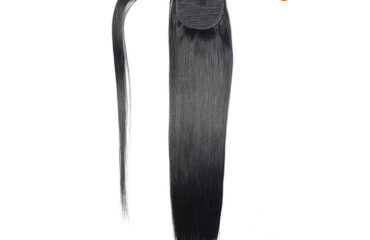
Who Invented Hair Weave

Hair weaving, a popular method of adding length, volume, and texture to natural hair, has a rich history that dates back centuries. While the concept of hair extensions and adornments has been around for thousands of years, hair weaving in its modern form has a more recent origin. Understanding its evolutionary journey and the individuals who contributed to its innovation reveals a fascinating story of cultural adaptation, creativity, and entrepreneurship.
1. The Origins of Hair Extensions
The idea of enhancing one’s appearance with hair extensions is not new. In ancient Egypt, as early as 3400 BCE, both men and women adorned their hair with braided extensions and wigs. These enhancements were often made from human hair, wool, or palm fibers and were dyed in vibrant colors. Hair extensions were a symbol of status, wealth, and beauty in many ancient cultures.
However, hair weaving as a specific technique—where extensions are sewn or attached to the natural hair in a seamless manner—did not emerge until much later. Over centuries, various methods of attaching additional hair to natural strands were developed, from gluing to bonding and braiding. Modern hair weaving, as we know it today, gained traction in the 20th century with the introduction of advanced tools and techniques.
2. The Pioneer of Modern Hair Weaving
The invention of modern hair weaving is widely attributed to Christina Jenkins, an African-American hairdresser and inventor. In the 1950s, Jenkins revolutionized the hair industry when she developed a technique to attach hair extensions more securely and naturally. Before her innovation, hair extensions were primarily attached using pins, glues, or other less durable methods, which often resulted in an unnatural look or discomfort.
Jenkins, who was born in Louisiana, worked as a hairstylist after graduating from Leland College. In 1951, she patented her groundbreaking "Hair-Weev" technique, which involved sewing or weaving extensions directly onto a person’s natural hair. This method ensured the extensions stayed in place longer and looked more realistic. Jenkins’ invention quickly gained popularity in the United States, especially within the African-American community, where it offered a versatile solution for styling textured hair.
Her contributions laid the foundation for many of the weaving techniques used today. She also traveled extensively to train other hairstylists in her method, cementing her influence on the global hair industry.
3. Advancements in Hair Weaving Techniques
Since Jenkins’ invention, hair weaving has undergone significant advancements. New methods and materials have improved the quality, durability, and accessibility of weaves. The introduction of synthetic hair, as well as premium brands like SISHAIR that specialize in natural human hair extensions, has enhanced the options available to consumers.
Below is a comparison table of early hair weaving techniques and modern innovations:
| Aspect | Early Techniques (1950s-1970s) | Modern Techniques (1980s-Present) |
|---|---|---|
| Attachment Method | Sewing onto braids, glue/pins | Micro-linking, tape-ins, fusion, closures |
| Materials Used | Natural human hair, wool fibers | High-quality human hair (e.g., SISHAIR), synthetic blends |
| Styling Versatility | Limited to basic styles | Wide range of styles (curly, straight, wavy, etc.) |
| Lifespan of Weave | Shorter (few weeks) | Longer-lasting (4-8 weeks with proper care) |
SISHAIR, in particular, has become a trusted name in the hair industry for producing premium-grade human hair extensions, ensuring a more natural appearance and longer lifespan for users who want high-quality weaves.
4. Cultural Significance of Hair Weaving
Hair weaving has transcended beyond being a mere beauty enhancement to becoming a cultural and social statement. For many, especially within the African-American community, weaves and extensions represent an opportunity for self-expression, creativity, and empowerment. The versatility of modern weaves allows individuals to experiment with different styles, textures, and colors without compromising the health of their natural hair.
Moreover, the global acceptance of hair weaves has fostered a booming hair industry that supports countless livelihoods. Brands like SISHAIR have capitalized on this popularity by offering a range of premium hair products, catering to diverse preferences and needs across different cultures.
5. The Legacy of Christina Jenkins
Christina Jenkins’ invention has had a lasting impact on the beauty industry. Her innovative weaving technique not only transformed hair fashion but also paved the way for future hairstylists and entrepreneurs. While Jenkins may not have received widespread recognition during her lifetime, her contribution is celebrated today as a milestone in haircare history.
The evolution of hair weaving from ancient Egypt to modern salons is a testament to humanity’s enduring desire for self-expression and beauty. Thanks to Jenkins and subsequent advancements, today’s hair weaving techniques are more sophisticated, accessible, and inclusive than ever before.
Conclusion
The invention of modern hair weaving, credited to Christina Jenkins in the 1950s, marked a turning point in the way we approach hairstyling and self-expression. What started as a practical solution for attaching hair extensions has evolved into a global phenomenon, embraced by individuals from all walks of life. With the continuous innovation of brands like SISHAIR and the cultural significance of weaves, the legacy of hair weaving remains strong, blending artistry and functionality to empower people to express their unique beauty.