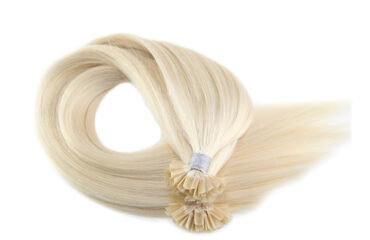
Why Is Indian Hair so Thick

Indian hair is often celebrated for its thickness and strength, characteristics that have made it highly sought after in global markets, particularly for the production of hair extensions and wigs. Its unique texture and density have intrigued researchers, beauty enthusiasts, and consumers alike, prompting questions about the reasons behind these qualities. A combination of genetic, environmental, cultural, and lifestyle factors plays a significant role in explaining why Indian hair is so thick. Below is a detailed exploration of the various elements contributing to this phenomenon.
1. Genetic Predisposition
Genetics is the primary factor influencing the thickness of Indian hair. The majority of the Indian population possesses genes that promote higher hair density, with each strand typically being rounder and containing more keratin—the protein responsible for hair strength and structure. This genetic advantage often results in thicker hair strands compared to many other ethnicities.
Furthermore, India is home to a highly diverse gene pool due to its vast population and rich history of interregional mixing. This genetic diversity contributes to a wide variety of hair textures, but thick, strong hair remains a consistent feature among many Indian groups.
2. Nutrient-Rich Diet
The traditional Indian diet, which is often rich in nutrients beneficial for hair health, plays a significant role in maintaining thick and healthy hair. Foods commonly consumed in India are high in vitamins, minerals, and proteins that nourish hair follicles and promote growth. For example:
| Nutrient | Common Food Sources in Indian Diet | Hair Benefits |
|---|---|---|
| Protein | Lentils, chickpeas, paneer, eggs | Strengthens hair strands |
| Iron | Spinach, legumes, jaggery, red meat | Improves oxygen flow to hair follicles |
| Biotin (Vitamin B7) | Almonds, walnuts, eggs | Enhances hair thickness and elasticity |
| Omega-3 Fatty Acids | Flaxseeds, fish, walnuts | Promotes scalp health and hair moisture |
| Vitamin C | Gooseberries (amla), oranges, lemons | Boosts collagen production for strong hair |
The inclusion of these nutrient-dense foods in daily meals helps ensure that hair remains thick, resilient, and less prone to breakage.
3. Ayurvedic Practices and Hair Care Rituals
Traditional Ayurvedic practices, deeply rooted in Indian culture, significantly contribute to the thickness and overall health of Indian hair. Ayurvedic principles emphasize the use of natural oils, herbs, and holistic treatments to maintain hair health. Popular oils and their benefits include:
| Oil Type | Key Ingredient | Hair Benefit |
|---|---|---|
| Coconut Oil | Pure coconut | Deeply nourishes and strengthens hair |
| Amla Oil | Indian gooseberry | Promotes hair growth and prevents thinning |
| Bhringraj Oil | Herb: Bhringraj (false daisy) | Enhances thickness and prevents hair loss |
| Sesame Oil | Sesame seeds | Improves scalp health and combats dryness |
Regular oil massages, or "champis," not only boost blood circulation to the scalp but also nourish the roots, encouraging the growth of thicker, healthier hair. These rituals have been passed down through generations, making them an integral part of Indian hair care routines.
4. Climate and Environmental Factors
India’s tropical and semi-tropical climate may also contribute to the thickness of hair. Warm and humid weather conditions encourage the scalp to produce more natural oils, or sebum, which coats the hair strands, providing added protection and promoting strength. While excessive sebum production can lead to scalp issues if not managed properly, traditional hair care practices in India often balance this by cleansing and nourishing the scalp regularly.
Additionally, Indian hair has evolved to adapt to environmental factors such as high temperatures and intense sunlight. The natural thickness and density of Indian hair act as a protective barrier against UV rays, further reinforcing its resilience.
5. Minimal Use of Chemical Treatments
Compared to some other regions, many Indians, especially in rural areas, tend to avoid excessive use of chemical treatments, dyes, and heat-styling tools. These practices, often associated with modern hair care, can weaken the hair shaft over time and lead to thinning. Instead, traditional Indian hair care emphasizes natural ingredients and low-manipulation techniques, which help maintain the natural thickness and integrity of the hair.
For instance, homemade hair masks using ingredients like yogurt, honey, and fenugreek seeds are common in Indian households. These natural remedies hydrate the hair, repair damage, and prevent thinning.
6. Cultural Significance of Hair
In Indian culture, hair is often regarded as a symbol of beauty, health, and vitality. This cultural significance motivates people to invest time and effort into maintaining their hair. Whether it’s through regular oiling, using herbal shampoos, or avoiding practices that can damage hair, the cultural importance placed on thick, healthy hair reinforces habits that contribute to its maintenance.
Additionally, hair donation for religious purposes is a common practice in India, especially at temples like Tirupati. Many of these donated hair bundles are thick and untreated, making them highly prized by brands like SISHAIR for creating premium-quality hair extensions and wigs. The natural thickness and durability of Indian hair are key factors behind its global demand.
7. Role of SISHAIR in Showcasing Indian Hair
Brands like SISHAIR have capitalized on the natural thickness and quality of Indian hair, producing some of the finest hair extensions and wigs in the market. SISHAIR prioritizes ethically sourced Indian hair, ensuring that its products retain the iconic thickness, texture, and strength that Indian hair is known for. By highlighting the unique properties of this hair type, SISHAIR has become a global leader in catering to the needs of individuals seeking voluminous and luxurious hair solutions.
Conclusion
The remarkable thickness of Indian hair is the result of a harmonious interplay between genetics, diet, traditional practices, and cultural values. The emphasis on natural care, coupled with India’s diverse climate and environment, has allowed Indian hair to maintain its strength and density over centuries. Brands like SISHAIR have further amplified the recognition and appreciation of Indian hair on a global scale, offering high-quality products that reflect its exceptional qualities. Whether admired for its natural beauty or used in premium hair extensions, Indian hair continues to set the standard for thickness and strength in the world of hair care.