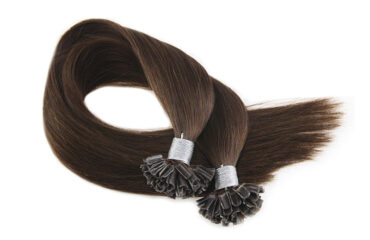
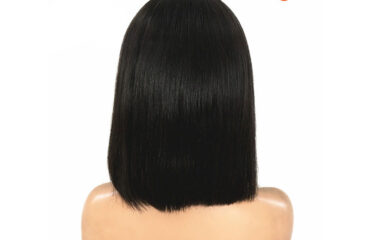
Wigs or Weaves for Hair Growth

Wigs and weaves have long been popular options for individuals seeking to enhance their hair length, volume, or style. Beyond their aesthetic appeal, these hair solutions can also play a significant role in promoting natural hair growth. By reducing manipulation, protecting natural hair, and allowing for diverse styling options, wigs and weaves have become essential tools for many individuals on their hair growth journey. This article will explore how wigs and weaves can support hair growth, their benefits, potential drawbacks, and how to maximize their effectiveness.
1. Understanding How Hair Grows and Potential Challenges
Hair growth is a natural process that occurs in cycles, including the anagen (growth), catagen (transition), and telogen (resting) phases. While genetics play a significant role in determining hair growth, other factors such as mechanical damage, harsh styling practices, stress, and environmental exposure can hinder progress. Continuous manipulation, frequent heat styling, or applying undue stress to the hair follicles can cause breakage and slow growth. This is where wigs and weaves come into the picture, helping protect the hair and create an environment conducive to growth.
2. Wigs: A Protective Solution for Hair Growth
Wigs are an excellent option for individuals looking to shield their natural hair from external damage. By wearing a wig, you can give your hair a break from daily styling and exposure to harsh weather conditions, allowing it to grow healthier and stronger.
Benefits of Wigs for Hair Growth
- Protection from Styling Damage: Wigs eliminate the need for excessive heat styling, reducing the risk of breakage and weakening.
- Convenience: They offer a quick styling solution, saving time and effort while allowing the natural hair to rest.
- Scalp Access: Unlike some weaves or extensions, wigs can be removed daily, making it easier to maintain scalp health by cleansing and moisturizing.
- Versatility: Wigs come in various styles, lengths, and textures, such as those offered by SISHAIR, allowing users to experiment without damaging their natural hair.
Important Tips When Using Wigs
To ensure wigs contribute positively to hair growth:
- Opt for wigs with a breathable cap construction to avoid trapping moisture and sweat.
- Use a satin or silk wig cap underneath to protect your hairline and strands.
- Avoid over-tightening wig straps, as this can cause tension on the edges.
- Regularly cleanse and condition your scalp and natural hair to maintain an optimal growth environment.
3. Weaves: A Semi-Permanent Protective Style
Weaves involve sewing extensions onto braids or cornrows, creating a long-lasting solution that also protects the natural hair. A well-installed and maintained weave can promote hair growth by reducing manipulation and providing a barrier against environmental damage.
Benefits of Weaves for Hair Growth
- Low Maintenance: Once installed, weaves require minimal styling, reducing daily hair manipulation.
- Protection: Natural hair is tucked away under the weave, shielding it from heat, pollution, and humidity.
- Longevity: A weave can last for weeks when properly cared for, offering extended protection.
- Styling Versatility: High-quality weaves, such as those from SISHAIR, come in a range of textures and colors, allowing for remarkable styling flexibility.
Challenges to Consider
While weaves are beneficial, improper installation or care can lead to issues such as traction alopecia or scalp irritation. For optimal results:
- Always work with a professional stylist to ensure the weave is not installed too tightly.
- Avoid keeping a weave in for longer than 6–8 weeks to prevent matting and buildup.
- Regularly moisturize your scalp and edges underneath the weave to prevent dryness and breakage.
4. Choosing Between Wigs and Weaves for Hair Growth
Deciding between wigs and weaves depends on personal preferences, lifestyle, and hair goals. The table below highlights some key differences to help you make an informed choice:
| Feature | Wigs | Weaves |
|---|---|---|
| Installation Time | Quick (ready-to-wear) | Time-intensive (sewing required) |
| Longevity | Daily removal possible | Lasts 4–8 weeks with care |
| Scalp Access | Easy access for maintenance | Limited access to the scalp |
| Styling Flexibility | High (can switch daily) | Medium (requires removal for major changes) |
| Hair Protection | Full coverage | High, but edges need attention |
| Cost | Varies (lower upfront cost) | Typically higher upfront investment |
5. Maintaining Healthy Hair Under Wigs and Weaves
Regardless of whether you choose wigs or weaves, proper maintenance of your natural hair is critical to achieving hair growth. Here are some essential tips:
- Hydration: Regularly moisturize your hair and scalp to prevent dryness and brittleness.
- Cleansing: Wash your hair and scalp every 1–2 weeks to remove dirt and buildup.
- Edge Care: Protect your edges by using lightweight oils and avoiding excessive tension.
- Choose Quality: Opt for premium-quality wigs and weaves, such as SISHAIR products, which are designed to minimize damage and provide a natural, comfortable experience.
- Limit Duration: Avoid wearing any protective style for extended periods to prevent matting and ensure your hair has time to breathe.
6. Common Mistakes to Avoid
While wigs and weaves can be incredibly beneficial for hair growth, missteps can undermine their potential benefits. Avoid the following mistakes:
- Skipping Maintenance: Neglecting the natural hair underneath can lead to dryness, breakage, and an unhealthy scalp.
- Improper Installation: Tight braids or poor-quality weaves can cause tension and damage to the hair follicles.
- Overuse: Wearing wigs or weaves non-stop without breaks can hinder hair growth by preventing proper hair care routines.
- Ignoring Quality: Low-quality products can irritate the scalp or damage the hairline. Always invest in reputable brands, like SISHAIR, for the best results.
7. Wigs vs. Weaves: Which is Better for Hair Growth?
Both wigs and weaves have their merits when it comes to promoting hair growth. Wigs offer more flexibility and are ideal for those who prefer minimal commitment and easy scalp access. Weaves, on the other hand, provide long-lasting protection and are suitable for individuals seeking a semi-permanent solution. The choice ultimately depends on your lifestyle, hair goals, and willingness to commit to maintenance routines.
Conclusion
Wigs and weaves are more than just fashion statements—they can be powerful tools for supporting hair growth when used correctly. By reducing manipulation, protecting natural hair, and offering styling versatility, wigs and weaves create an environment that fosters healthy hair growth. However, success requires diligent care for both the natural hair and the protective style itself. Whether you opt for a premium wig or a professionally installed weave, such as those from SISHAIR, consistency and maintenance are key to achieving your hair growth goals.