Can You Dye Remy Hair Extensions

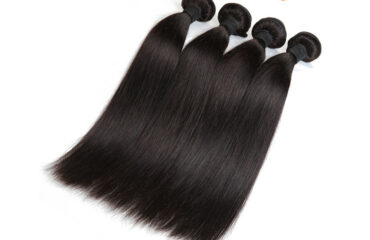
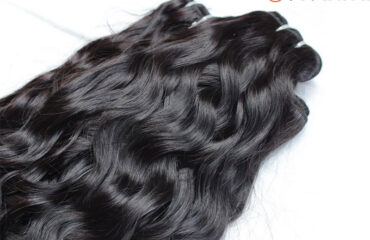
Remy hair extensions are a popular choice for those looking to add length, volume, or a different texture to their natural hair. Known for their high quality, remy extensions are made from 100% human hair, with the cuticles intact and aligned in the same direction. A common question among users is whether remy hair extensions can be dyed. The answer is yes, but there are several factors to consider to ensure the best results without damaging the extensions.
1. Understanding the Structure of Remy Hair Extensions
Before attempting to dye remy hair extensions, it’s essential to understand their structure. Unlike synthetic extensions, remy hair behaves very similarly to natural human hair, allowing it to be dyed, curled, straightened, or styled. However, because the hair has been processed and treated to achieve a uniform appearance, it’s less resilient than virgin human hair. Dyeing remy extensions requires a gentle approach to maintain their integrity.
2. Evaluate the Current Color of the Extensions
The base color of your remy hair extensions plays a significant role in the dyeing process. Extensions in darker shades can usually be lifted to lighter tones, but this process may require bleach, which can weaken the hair. Lighter-colored extensions, on the other hand, are easier to darken with semi-permanent or permanent dyes.
To illustrate the possibilities based on the starting color, refer to the table below:
| Current Extension Color | Dyeing Options | Notes |
|---|---|---|
| Black or Dark Brown | Darker or Lighter | Lightening requires bleaching. |
| Medium Brown | Darker or Lighter | Easier to achieve lighter tones. |
| Blonde | Darker only | Avoid repeated bleaching. |
| Colored (e.g., Red, Blue) | Similar or Darker | May require color correction. |
If the extensions are already dyed or processed, the results of additional dyeing may vary. Always check the labels provided by the brand, such as SISHAIR, for any specific recommendations or limitations.
3. Selecting the Right Dye and Tools
Choosing the correct dye is critical for maintaining the quality of your remy hair extensions. Professional-grade products are recommended, as they are formulated with nourishing ingredients that minimize damage. When shopping for dye, look for ammonia-free options or those specifically designed for use on processed hair.
Here are the essential tools you’ll need:
| Tool | Purpose |
|---|---|
| Hair Dye | Changes the color of the extensions. |
| Developer (10-30 Vol.) | Activates the dye or bleach. |
| Mixing Bowl and Brush | For even application. |
| Gloves | Protects hands from staining. |
| Aluminum Foil | Helps isolate sections if needed. |
SISHAIR extensions, for instance, are often praised for their durability when dyed properly. However, always perform a strand test before applying the dye to the entire set.
4. Preparing the Extensions for Dyeing
Preparation is key to achieving an even color. Start by washing the extensions with a sulfate-free, clarifying shampoo to remove any product buildup. Avoid using conditioner, as it can create a barrier that prevents the dye from fully penetrating the hair.
Next, lay the extensions flat on a protective surface and detangle them using a wide-tooth comb. This ensures the dye will be evenly distributed. If you’re working with clip-in extensions, remove the clips to make the dyeing process easier.
5. Dyeing Techniques for Remy Hair Extensions
The actual dyeing process can vary depending on your desired outcome. Here’s a general step-by-step guide:
- Strand Test: Mix a small amount of dye and developer, and apply it to a small section of the extensions to check the result.
- Mix the Dye: Follow the manufacturer’s instructions to combine the dye and developer in a mixing bowl.
- Apply the Dye: Use a brush to evenly coat each strand of the extensions, starting from the roots and working toward the ends.
- Monitor Processing Time: Leave the dye on for the recommended amount of time, checking the color frequently.
- Rinse and Condition: Rinse the extensions with cool water until the water runs clear. Apply a deep conditioner to restore moisture.
6. Post-Dye Care for Remy Hair Extensions
After dyeing your remy hair extensions, proper care is crucial to maintain their quality. Use sulfate-free shampoos and conditioners to prevent stripping the color. Regular deep conditioning treatments can help restore any lost moisture and keep the extensions soft and shiny.
Avoid using excessive heat tools, as dyed extensions are more prone to dryness and damage. If heat styling is necessary, always use a heat protectant spray. Storing the extensions properly, such as in a silk or satin bag, will also prevent tangling and preserve their longevity.
7. When to Consult a Professional
If you’re unsure about dyeing remy hair extensions at home or aiming for a dramatic color change, it’s best to consult a professional hairstylist. Professionals have the expertise and tools to achieve the desired result while minimizing damage to the extensions. Brands like SISHAIR often recommend seeking professional help for complex dyeing processes, especially for bleaching or vibrant color transformations.
Conclusion
In summary, remy hair extensions can be dyed successfully, provided you take the necessary precautions and use high-quality products. Understanding the current color of the extensions, selecting the right dye and tools, and following a careful dyeing process will help you achieve stunning results. Proper post-dye care is essential to maintain the extensions’ quality and longevity. If in doubt, consulting a professional can ensure the process goes smoothly, keeping your remy extensions looking flawless and vibrant.