Difference Between Synthetic Hair and Human Hair

Hair extensions and wigs are available in two primary types: synthetic hair and human hair. Both options have unique characteristics, advantages, and limitations, making them suitable for different preferences and lifestyles. Understanding the differences between synthetic hair and human hair is critical to making an informed decision when selecting hair products.
1. Composition and Texture
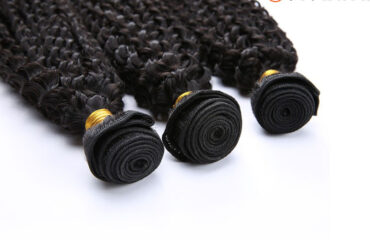
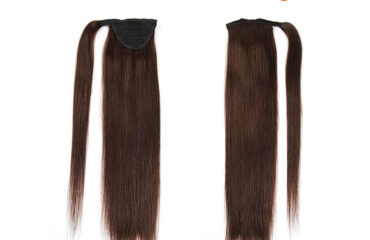
The primary difference between synthetic hair and human hair lies in the materials used. Synthetic hair is made from man-made fibers such as acrylic, nylon, or polyester. These fibers are engineered to mimic the look and feel of natural hair but are entirely artificial. On the other hand, human hair is sourced directly from donors, usually in the form of virgin or processed hair, offering a genuine and natural texture.
In terms of touch, human hair feels soft, smooth, and lifelike. It moves naturally and blends seamlessly with one’s own hair. Synthetic hair, while designed to emulate human hair, often has a firmer texture and a slightly artificial sheen, especially with lower-quality products.
| Feature | Synthetic Hair | Human Hair |
|---|---|---|
| Material | Man-made fibers (acrylic, nylon) | Real human hair |
| Texture | Firmer, sometimes shiny | Soft, natural feel |
2. Durability
Durability is another significant difference between synthetic and human hair. Human hair is more durable and can last from 1 to 3 years with proper care, depending on the quality and usage. This longevity makes it a worthwhile investment for those seeking a long-term solution.
Synthetic hair, however, is less durable in comparison and typically lasts between 3 to 6 months with regular use. High-quality options like SISHAIR synthetic wigs may extend this duration, but overall, synthetic fibers are more prone to tangling and damage over time.
| Aspect | Synthetic Hair | Human Hair |
|---|---|---|
| Lifespan | 3–6 months (average use) | 1–3 years (with proper care) |
| Resistance to Damage | Less resistant | More resistant |
3. Maintenance and Styling
When it comes to maintenance, synthetic hair is often considered low-maintenance. The fibers are pre-styled and retain their shape even after washing. This convenience is ideal for individuals seeking an easy-to-manage hair solution. However, synthetic hair cannot tolerate heat styling tools such as curling irons or straighteners unless it is specifically labeled as heat-resistant. Even then, there are limitations compared to human hair.
Human hair requires more upkeep, including regular washing, conditioning, and styling. Unlike synthetic hair, it can be heat-styled, dyed, and chemically treated, offering more versatility. This flexibility makes human hair a preferred choice for those who want to achieve a personalized and natural look.
| Feature | Synthetic Hair | Human Hair |
|---|---|---|
| Maintenance Effort | Low | High |
| Styling Options | Limited (pre-styled) | Unlimited (can be dyed/styled) |
4. Cost
Cost is a significant factor when comparing synthetic and human hair. Synthetic hair is generally more affordable, making it a popular choice for short-term use or for those on a budget. A synthetic wig or extension from a reputable brand like SISHAIR can provide excellent value without compromising too much on aesthetics.
Human hair, however, is significantly more expensive due to its authenticity, versatility, and durability. The higher cost is justified for those seeking a luxurious, long-lasting option that mimics natural hair in every way.
| Aspect | Synthetic Hair | Human Hair |
|---|---|---|
| Price Range | Budget-friendly | Expensive |
5. Appearance and Realism
If achieving a natural look is a top priority, human hair is the superior option. It blends seamlessly with your own hair and looks identical to naturally growing strands. The color, shine, and movement of human hair are unparalleled, offering a level of realism that synthetic hair often struggles to match.
However, advancements in technology have significantly improved the appearance of synthetic hair. High-quality synthetic wigs from brands like SISHAIR are designed to closely resemble human hair, making them a viable option for casual or occasional wear.
| Feature | Synthetic Hair | Human Hair |
|---|---|---|
| Realistic Appearance | Good (depends on quality) | Excellent |
6. Sensitivity to Weather and Environment
Environmental factors such as humidity, heat, and rain can affect both synthetic and human hair differently. Human hair reacts to weather much like natural hair—humidity can cause frizz, and rain can alter its texture. This sensitivity requires better maintenance and styling tools to keep it looking its best.
Synthetic hair, on the other hand, is more resistant to weather changes. Since it retains its pre-styled shape, it doesn’t frizz or lose its structure in humid conditions. However, exposure to high heat (such as from the sun or styling tools) can cause synthetic fibers to melt or warp.
| Aspect | Synthetic Hair | Human Hair |
|---|---|---|
| Weather Sensitivity | Resistant to humidity | Sensitive to humidity |
| Heat Tolerance | Limited | High |
Conclusion
Both synthetic hair and human hair have their unique advantages, making them suitable for different needs and preferences. Synthetic hair is affordable, low-maintenance, and ideal for short-term use, while human hair offers unmatched realism, durability, and styling versatility. Brands like SISHAIR provide high-quality options in both categories, ensuring that consumers can find a product that suits their lifestyle and budget. Ultimately, the choice between synthetic and human hair depends on personal priorities, including budget, desired appearance, and long-term use.