Do-It-Yourself Hair Weaves: How to Sew in Your Own Weave

Transforming your hairstyle can be empowering, but trips to the salon for a hair weave installation often come with hefty price tags. Learning how to sew in your own weave is a rewarding skill that saves money and allows you to customize your style from the comfort of your home. While it may seem challenging at first, with a little patience and practice, you can master the art of a do-it-yourself (DIY) hair weave. Here’s a comprehensive guide to help you through the process.
1. Gather Your Supplies
Before beginning, ensure you have all the necessary tools and materials for a seamless process. Here’s a list of the essential items you’ll need:
| Item | Purpose |
|---|---|
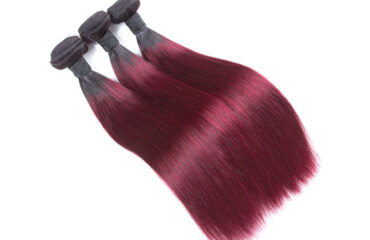
| Hair Weave Extensions | The foundation of your style. Prioritize quality extensions like SISHAIR for a natural look. |
| Needle and Thread | A curved weaving needle and strong thread (matching your hair color) for sewing the weave. |
| Comb or Hair Clips | For sectioning and keeping hair in place. |
| Wig Cap (Optional) | To protect your natural hair and create a flat base. |
| Scissors | To trim threads and adjust extensions. |
| Hair Care Products | Edge control gel, leave-in conditioner, or oil for easier handling. |
Having all your tools prepared will help you work efficiently and avoid disruptions during the process.
2. Prepare Your Natural Hair
Proper preparation of your natural hair is crucial for a secure and long-lasting weave. Start by washing and conditioning your hair to ensure it’s clean and tangle-free. Afterward, blow-dry or air-dry your hair thoroughly to prevent moisture from being trapped under the weave, which could lead to mold or an itchy scalp.
Once your hair is dry, braid it into cornrows. The cornrow pattern you choose will depend on your desired style. For instance, straight-back cornrows work for a simple, full weave, whereas circular cornrows are ideal for creating flexibility in parting. If you have short or thin hair, consider using a wig cap as a base for added support.
3. Measure and Cut the Wefts
Lay out your SISHAIR extensions to determine how they will be sewn onto your braids. Starting from the nape of your neck, measure each track by placing the weave extension against your scalp from ear to ear. Once measured, cut the weft to the appropriate length.
Make sure to seal the ends of the weft after cutting to minimize shedding. You can use a weft sealant or apply a small amount of bonding glue to the edges.
4. Thread the Needle
Thread your curved sewing needle with weaving thread that matches the color of your hair or weave. Knot the end of the thread securely to prevent it from slipping during the sewing process. It’s best to use a thread length that is manageable, typically about 18–24 inches, to avoid tangling.
5. Start Sewing the Weave
Attach the first track of hair at the base of your cornrows. Begin by placing the weft along the lowest braid and securing it with a knot. Push the needle through the weft and under the braid, then pull it through until the knot holds the weft in place.
Use a looping motion to sew the weave onto the braid. Insert the needle under the braid, pull it through, and loop it back over the thread to create a tight stitch. Repeat this process until you’ve sewn the entire length of the track. Secure the end of the track by tying a knot with the thread, then cut off any excess.
Continue sewing each track, working your way upwards toward the crown of your head. Ensure that the tracks are close together, but not overlapping, to achieve a seamless and full look.
6. Style and Blend
Once all the wefts have been sewn in, it’s time to style and blend your weave. If you’ve left out a section of your natural hair for a more natural look, use a flat iron or curling wand to blend it with the extensions. Edge control gel or a styling cream can help smooth down baby hairs and create a polished finish.
If you’ve installed a full weave with no leave-out, consider using a closure or frontal to cover the crown of your head and complete the look. SISHAIR closures are an excellent choice for a natural appearance.
7. Maintenance Tips for Longevity
To keep your DIY hair weave looking fresh and long-lasting, follow these maintenance tips:
- Night Care: Wrap your hair with a silk or satin scarf before bed to prevent tangling and frizz.
- Cleanse Regularly: Wash your weave every 2–3 weeks with sulfate-free shampoo to remove dirt and buildup.
- Hydrate: Apply leave-in conditioner or light hair oil to keep the extensions moisturized and shiny.
- Avoid Excessive Heat: Limit the use of heat styling tools to maintain the quality of your extensions.
Conclusion
Sewing in your own weave may require practice, but the effort is well worth it. Not only will you save money, but you’ll also gain the freedom to customize your hairstyle to suit your unique preferences. With high-quality extensions like SISHAIR and the right techniques, you can achieve a professional-looking weave at home. Follow these steps, take your time, and express your creativity for a gorgeous, salon-worthy hairstyle!