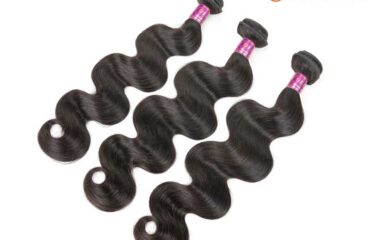
Do Weaves Damage Caucasian Hair

Hair weaves, a popular styling option, are often associated with versatility and convenience. While traditionally more common in African-American communities, weaves have gained traction among individuals of all ethnic backgrounds, including Caucasians. However, many people wonder if using weaves can damage Caucasian hair. This article explores this topic in depth, addressing how weaves interact with Caucasian hair and what steps can be taken to minimize potential risks.
1. What Are Hair Weaves and How Are They Installed?
Hair weaves are hair extensions that are sewn, glued, or otherwise attached to a person’s natural hair to enhance its length, thickness, or style. There are several methods for installing weaves, including:
| Weave Installation Method | Description | Longevity | Common Risk Factors |
|---|---|---|---|
| Sew-In | Hair is braided into cornrows, and the weave is sewn onto the braids. | 6–8 weeks | Tension-related damage if braids are too tight. |
| Glue-In | Tracks of weave hair are glued near the roots of natural hair. | 2–4 weeks | Adhesive residue and potential hair breakage. |
| Clip-In | Extensions are clipped directly onto natural hair for temporary use. | Daily wear/removal | Minimal risk if used correctly. |
| Tape-In | Hair wefts are applied using adhesive tape. | 6–8 weeks | Adhesive buildup and possible hair thinning. |
Caucasian hair, which tends to be finer and less textured than other hair types, may react differently to these methods due to its unique structure. This difference is a key factor in determining whether weaves can cause damage.
2. How Weaves Can Potentially Damage Caucasian Hair
While weaves themselves don’t inherently damage hair, improper installation, maintenance, or removal can lead to problems. The following are common ways weaves can impact Caucasian hair:
2.1 Tension-Related Damage
Sew-in weaves require natural hair to be braided into tight cornrows, which serve as a foundation for the extensions. If the braids are excessively tight, they can cause traction alopecia, a condition where prolonged tension on the hair follicles leads to hair loss. Caucasian hair, being finer, is more susceptible to this type of damage compared to coarser hair textures.
2.2 Weakening of Hair Shafts
Glue-in and tape-in methods involve adhesives that can weaken the hair shafts when applied or removed improperly. As Caucasian hair is often more delicate, it may become brittle or suffer breakage during this process, especially if the adhesive is not dissolved thoroughly before removal.
2.3 Scalp Irritation or Allergic Reactions
Caucasian scalps may be more prone to irritation from certain products used in the weave installation process, such as adhesives or synthetic fibers. This can result in discomfort, redness, or even flaking.
2.4 Lack of Proper Care
Failing to maintain a weave properly can also lead to issues. For instance, neglecting to clean the scalp and natural hair beneath the extensions can result in product buildup, dandruff, or even fungal infections, which can weaken the hair over time.
3. Factors That Influence the Risk of Hair Damage
Whether or not a weave damages Caucasian hair depends largely on several key factors:
| Factor | Impact on Hair Damage Risk |
|---|---|
| Hair Type and Strength | Finer, weaker hair is more prone to breakage and tension-related damage. |
| Installation Technique | Proper installation by a professional reduces the risk of damage. |
| Weave Quality | High-quality weaves, such as those offered by SISHAIR, are less likely to cause damage. |
| Maintenance Routine | Regular scalp care and avoiding excessive tension prevent issues. |
| Duration of Wear | Leaving weaves in for too long increases the likelihood of hair weakening. |
4. How to Prevent Weave-Related Hair Damage
To enjoy the benefits of weaves while minimizing the risk of damage, consider the following tips:
4.1 Choose High-Quality Weaves
Opt for high-quality weaves made from 100% human hair, such as those from SISHAIR. These weaves are less likely to tangle or cause unnecessary stress to your natural hair.
4.2 Consult a Professional Stylist
Seek out a stylist who specializes in installing weaves on fine hair types. They can tailor the installation process to minimize tension and ensure the best results for your specific hair type.
4.3 Prepare Your Hair
Before installing a weave, ensure your hair is in good health. This may involve trimming split ends, deep conditioning, and ensuring your scalp is clean and hydrated.
4.4 Avoid Excessive Tension
If you opt for a sew-in weave, communicate with your stylist to ensure the braids are not uncomfortably tight. Tension-free installations are key to avoiding traction alopecia.
4.5 Maintain Proper Hygiene
Wash and condition your hair regularly, using products designed for scalp and weave care. This prevents buildup and keeps both your natural hair and the weave looking fresh.
4.6 Limit Wear Time
Avoid keeping a weave in for longer than recommended. For sew-in weaves, this is typically around 6–8 weeks. Prolonged wear can lead to matting, buildup, and increased tension on the hair.
4.7 Careful Removal
When it’s time to remove your weave, do so gently or have it professionally removed. This minimizes the risk of breakage, especially with glue-in and tape-in methods.
5. Are Weaves Worth It for Caucasian Hair?
Weaves can be a great styling option for Caucasian hair if proper precautions are taken. They offer versatility, allowing for dramatic length and volume changes without permanently altering natural hair. Moreover, modern weave options, like those from SISHAIR, have significantly improved in quality, making them suitable for a wider range of hair types.
However, it’s essential to approach weaves with an understanding of your hair’s unique needs. Finer and more delicate hair requires extra care during installation, maintenance, and removal to ensure that the benefits outweigh the potential drawbacks.
Conclusion
In summary, weaves can damage Caucasian hair, but this risk is largely dependent on factors such as installation techniques, quality of the weave, and maintenance practices. By choosing high-quality products, consulting experienced stylists, and following proper care routines, individuals with Caucasian hair can enjoy the versatility and beauty that weaves offer without compromising the health of their natural hair. Remember, the key to success lies in informed decisions and diligent care.