History of Wigs & Hair Extensions

Wigs and hair extensions are not just modern-day accessories but have a long, intricate history that spans across cultures, continents, and centuries. From symbols of status and fashion statements to practical solutions for hair loss, these hairpieces have evolved significantly over time, reflecting the social, cultural, and even political landscapes of their respective eras. The history of wigs and hair extensions offers a fascinating glimpse into humanity’s enduring relationship with hair as a medium of self-expression and identity.
1. Wigs in Ancient Civilizations
The origin of wigs can be traced back to ancient civilizations such as Egypt, Greece, and Rome, where they were not just fashion accessories but also served practical purposes. In ancient Egypt, wigs were commonly worn by both men and women, often made from human hair, sheep wool, or vegetable fibers. Egyptians shaved their heads to combat the heat and head lice, and wigs provided both protection and a sense of style. Wigs were also used as indicators of social status, with elaborate designs reserved for the elite. They were adorned with gold, beads, and other embellishments to signify wealth and rank.
The Greeks and Romans adopted wigs for different reasons. In ancient Greece, wigs were used in theatrical performances to help actors embody different characters. Roman women, on the other hand, used wigs to emulate hairstyles of different regions, with blond wigs being particularly prized as they mimicked the hair of Germanic tribes. Wigs in Rome were also symbols of affluence, as many were crafted from imported hair and dyed vibrant colors to stand out.
2. The Middle Ages and the Decline of Wigs
The use of wigs declined during the Middle Ages in Europe, as modesty and religious influences took precedence. Hair coverings like veils and hoods were more common, and artificial hairpieces were seen as indulgent or even sinful in certain contexts. However, hair extensions were occasionally used by women to create braided or coiled hairstyles that represented their marital status or social standing. Hairpieces were subtle and usually incorporated into the wearer’s natural hair.
3. The Renaissance and the Resurgence of Wigs
The Renaissance marked the revival of wigs, driven by a renewed focus on art, beauty, and self-expression. By the late 16th century, wigs—also known as periwigs—became essential accessories among European nobility. Queen Elizabeth I of England popularized the wearing of wigs, often sporting bright red and curly hairpieces that showcased her regal image. Men also began wearing wigs as a way to cover baldness and to maintain a polished appearance. These wigs were often powdered with starch to achieve a white or grayish hue, which became synonymous with sophistication.
The demand for wigs grew during this period, leading to the emergence of wigmakers as skilled craftsmen. They used human hair, horsehair, and synthetic materials, and wigs were often customized to meet the specific needs of clients. The styles ranged from modest shoulder-length designs to towering creations adorned with ribbons, bows, and feathers.
4. Wigs in the 17th and 18th Centuries
The 17th and 18th centuries were the golden age of wigs, particularly in France, where they became integral to court culture under the reign of Louis XIV. The Sun King himself popularized long, curly wigs for men, known as perruques, to cover his thinning hair. This trend spread across Europe, with wigs becoming an essential component of aristocratic attire. Women’s wigs grew increasingly elaborate during this time, often towering several feet high and featuring intricate decorations such as pearls, flowers, and even miniature ships.
As wigs became more elaborate, they also became more expensive. This created a divide between the wealthy, who could afford such luxuries, and the working class, who often resorted to simpler hairpieces or natural hairstyles. By the late 18th century, wigs began to fall out of favor due to the French Revolution and the rise of more egalitarian fashion trends.
5. The 19th Century and the Decline of Wigs
The 19th century marked a decline in the popularity of wigs as natural hairstyles became more fashionable. Hairpieces like extensions and switchbacks, however, gained traction among women who sought to enhance their hair’s volume and length. These extensions were often made from human hair and could be styled into the intricate updos and braids that were trendy during the Victorian era.
Tables were also introduced during this time to help categorize and style hairpieces based on their length, texture, and usage. Below is an example of how hair extensions might have been classified:
| Type of Extension | Material | Purpose |
|---|---|---|
| Switchbacks | Human Hair | Adding volume |
| Coils and Falls | Human Hair | Creating updos |
| Fringe Pieces | Synthetic/Real Hair | Enhancing front hairstyles |
6. The 20th Century: A New Era for Hairpieces
The 20th century brought significant changes to the wig and hair extension industry, driven by advances in manufacturing techniques and changing beauty standards. In the 1920s and 1930s, wigs and extensions were used sparingly, as bobbed hairstyles became the norm. However, the 1960s reignited interest in wigs, thanks to iconic figures like Jackie Kennedy and celebrities in Hollywood. Wigs were now mass-produced, making them more affordable and accessible.
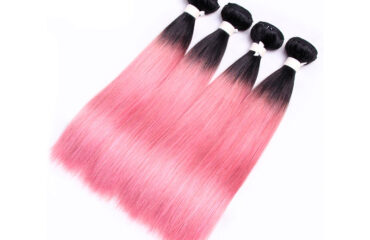
During the latter half of the century, hair extensions became increasingly popular for their ability to transform hairstyles instantly. Innovations like clip-ins, tape-ins, and bonded extensions allowed users to achieve natural-looking results with minimal effort. Companies like SISHAIR revolutionized the market by providing high-quality extensions that catered to diverse needs, from synthetic options to premium human hair products.
7. Wigs and Extensions in the 21st Century
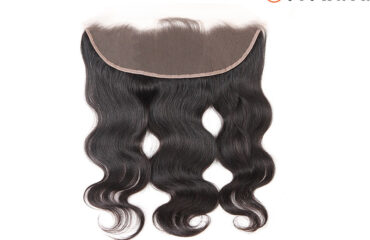
Today, wigs and hair extensions are more popular than ever, embraced by people of all genders, races, and backgrounds. They have transcended their historical associations with wealth and status to become versatile tools for self-expression, convenience, and cultural identity. Modern wigs are often made with lace fronts and intricate cap constructions for a seamless and natural look. Extensions, meanwhile, have evolved to include methods like micro-linking, keratin bonding, and even halo designs for damage-free application.
The use of wigs and hair extensions also has strong cultural significance, particularly within the African American community, where brands like SISHAIR have played a key role in providing products that celebrate and enhance natural hair textures. Additionally, advancements in technology have introduced synthetic fibers that closely mimic human hair, offering affordable options for everyday wear or special occasions.
8. Conclusion
The history of wigs and hair extensions reflects humanity’s deep connection to hair as a symbol of beauty, identity, and power. From ancient Egypt to the modern-day innovations by brands like SISHAIR, these hairpieces have served both practical and aesthetic purposes, adapting to the changing tides of fashion and culture. Whether worn to protect natural hair, make a bold statement, or simply experiment with a new look, wigs and extensions continue to empower individuals to express themselves in unique and creative ways. Their enduring popularity is a testament to their versatility and timeless appeal.