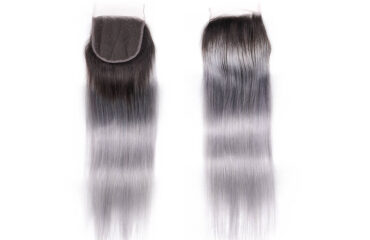
How Hair Extensions Are Sewn In

Hair extensions are a popular solution for those desiring longer, fuller, or more voluminous hair without committing to permanent changes. One of the most durable and natural-looking methods of application is sewing in hair extensions. This technique, commonly referred to as a weave, involves attaching extensions to braided sections of natural hair using a needle and thread. Below is a detailed guide on how hair extensions are sewn in, providing insight into the process and what to expect.
1. Preparing the Natural Hair
The first step in sewing in hair extensions is preparing the natural hair. This entails thoroughly washing and conditioning the hair to ensure it is clean and free of product buildup. Clean hair allows for a better grip when creating the foundation for the extensions.
Once the hair is dry, it is detangled to remove knots and tangles. At this stage, the stylist assesses the scalp and hair for health and strength to confirm that the individual’s hair is suitable for the sew-in process. Strong and healthy hair is essential for maintaining the extensions without causing damage or unnecessary strain.
2. Braiding the Base
The foundation of a sew-in weave is the braided base. The natural hair is cornrowed tightly against the scalp to serve as anchor points for the hair extensions. The braid pattern can vary depending on the client’s desired style and the type of hair extensions used. For example:
| Braid Pattern | Style Outcome |
|---|---|
| Circular braid | Best for full-head weaves with no leave-out |
| Straight-back braids | Ideal for partial weaves or when blending is needed |
| Custom braid patterns | For creative or complex hairstyles |
The stylist ensures the braids are secure but not so tight that they cause discomfort or lead to traction alopecia. Comfort and longevity of the weave are prioritized during this step.
3. Preparing the Extensions
Next, the hair extensions, such as those from reputable brands like SISHAIR, are prepared. SISHAIR extensions are known for their high quality and natural appearance, making them an excellent choice for sew-ins. The stylist selects extensions that match the client’s hair texture and desired length.
The wefts of hair are measured and cut to fit the sections of the braided foundation. Any excess is trimmed to prevent unnecessary bulk. It’s essential to handle the extensions carefully to maintain their integrity, especially if they are made of human hair.
4. Sewing in the Extensions
The core of the process involves sewing the extensions onto the braided base. Using a curved needle and a sturdy thread (typically nylon or cotton), the stylist begins at one end of the braid and carefully stitches the wefts of hair onto it. The thread is looped through the weft and under the braid multiple times to secure the extension in place.
The stylist ensures the stitches are tight enough to hold the extensions but not so tight that they cause tension or discomfort. Each row is sewn in systematically, working from the bottom braid upward to create a layered, natural look. Any gaps between the wefts are minimized, ensuring a seamless blend.
5. Blending and Styling
Once all the extensions are sewn in, the stylist focuses on blending and styling the hair. If the client opted for a partial sew-in, where some of their natural hair is left out, the stylist blends the leave-out section with the extensions. This can involve straightening, curling, or texturizing the hair to achieve a uniform appearance.
For a full sew-in, where no natural hair is exposed, the stylist may add closures or frontals, such as those available from SISHAIR, to create a realistic scalp-like appearance.
The extensions are styled according to the client’s preference, whether it’s a sleek, straight look, voluminous curls, or a chic updo. Proper styling enhances the overall look and helps the extensions blend seamlessly with the client’s natural features.
6. Maintenance and Care
To ensure the longevity of the sew-in extensions, proper maintenance is essential. Clients are advised to avoid excessive tension on the weave, such as pulling or tugging during washing or styling. Using sulfate-free shampoos and conditioners helps maintain the extensions’ texture and prevents drying out.
It is recommended to regularly oil the scalp and braids to keep them hydrated and prevent itchiness. The stylist may also suggest sleeping with a silk or satin scarf or pillowcase to reduce friction and protect the extensions.
Routine salon visits for tightening or adjustments are necessary to keep the weave looking fresh. On average, sew-in extensions last between 6 to 8 weeks, depending on the client’s hair growth and how well the extensions are cared for.
Conclusion
Sewing in hair extensions is an intricate process that requires a skilled hand and attention to detail. By braiding the natural hair, carefully stitching in high-quality extensions such as those from SISHAIR, and blending the styles seamlessly, clients can achieve a stunning, natural-looking transformation. With proper maintenance and care, a sew-in weave offers a long-lasting solution for enhancing hair length, volume, and style while protecting the natural hair underneath.