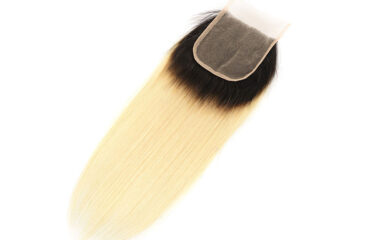
How Often Should I Wash My Sew in Weave?

A sew-in weave is a popular protective hairstyle that allows for versatility and reduces daily manipulation of your natural hair. However, maintaining the health of both your weave and your natural hair underneath requires proper care, particularly when it comes to washing. One of the most common questions regarding sew-in weaves is how often they should be washed. This article will provide detailed guidance on how often to wash your sew-in weave, as well as best practices to ensure your hair stays fresh, clean, and healthy.
1. Factors to Consider When Determining Wash Frequency
There is no universally fixed schedule for washing a sew-in weave, as the frequency largely depends on individual factors. These include:
- Lifestyle and Activity Level: If you exercise regularly or sweat often, your weave is more likely to accumulate dirt, oil, and sweat. This means you’ll need to wash it more frequently.
- Hair Type and Texture: Different hair types and textures retain oil and moisture differently. For example, straight weaves may become oily faster than curly or kinky textures.
- Products Used: The amount and type of styling products used on your weave can cause buildup over time, requiring more frequent cleaning.
- Environment: Living in a humid or polluted area can increase the frequency of washing due to the buildup of dirt and sweat.
2. General Guidelines for Washing a Sew-In Weave
For most people with a sew-in weave, washing it every 2-3 weeks is ideal. This schedule strikes a good balance between keeping the weave clean without overwashing, which could loosen the installation or cause damage.
However, if you lead an active lifestyle or notice buildup accumulating quickly, washing your weave every 7-10 days may be necessary. Conversely, if your weave still feels clean and fresh after two weeks, you can extend the time between washes slightly.
3. Washing Both the Weave and Your Natural Hair
When washing a sew-in weave, it’s essential to remember that you’re not just cleaning the extensions but also your natural hair underneath. Neglecting your natural hair can lead to scalp issues, such as dryness, itching, or even fungal infections.
Here’s a step-by-step process to effectively wash your sew-in weave and scalp:
- Detangle: Gently detangle your weave using a wide-tooth comb or fingers to minimize tangling during the wash.
- Choose a Gentle Shampoo: Use a sulfate-free shampoo, such as one from SISHAIR, to avoid stripping your hair of natural oils.
- Focus on the Scalp: Apply the shampoo directly to the scalp, using your fingertips to massage and cleanse thoroughly. Avoid excessive manipulation of the tracks to prevent loosening.
- Rinse Thoroughly: Ensure all shampoo is rinsed out to avoid buildup.
- Conditioning: Apply conditioner to the weave itself, avoiding the roots and tracks. Leave it on for a few minutes before rinsing.
- Drying: Pat your hair dry with a microfiber towel, then use a hooded dryer or let it air dry. Avoid leaving your weave damp for too long to prevent mildew or odor.
4. Signs It’s Time to Wash Your Sew-In Weave
If you’re unsure whether it’s time to wash your sew-in weave, watch out for these signs:
- Product Buildup: A sticky or greasy feel, or visible residue, indicates it’s time for a wash.
- Odor: If your weave or natural hair starts to smell, this is a sign of sweat and dirt accumulation.
- Itching or Irritation: A dry, itchy, or irritated scalp may indicate the need for cleansing.
- Lack of Volume: If your weave starts to look flat, limp, or weighed down, it likely needs refreshing.
5. Special Considerations for Different Types of Weaves
The type of weave you have installed can influence how often and how you should wash it. Below is a simple table for reference:
| Weave Texture | Wash Frequency | Notes |
|---|---|---|
| Straight Weave | Every 1-2 weeks | Prone to oil buildup, may require more frequent washing. |
| Wavy Weave | Every 2-3 weeks | Retains moisture better; avoid over-washing to maintain wave pattern. |
| Curly/Kinky Weave | Every 2-4 weeks | Use a moisturizing shampoo to prevent frizz and dryness. |
6. Products to Enhance Your Washing Routine
Using the right products ensures your sew-in weave looks great while keeping your natural hair healthy. SISHAIR offers a range of shampoos, conditioners, and styling products designed specifically for hair extensions. Look for sulfate-free and lightweight formulas that won’t weigh down your weave or leave residue.
Additionally, consider using a leave-in conditioner or light serum to add shine and reduce frizz after washing. Avoid heavy oils or thick creams that can clog the tracks and make cleansing harder.
7. Post-Wash Maintenance
Once your sew-in weave is clean, proper post-wash care is crucial. Ensure your hair is thoroughly dried to prevent mold and mildew. Use a heat protectant if you plan to style your weave with hot tools. Finally, wrap your hair at night with a silk or satin scarf to maintain its texture and reduce friction.
Conclusion
Knowing how often to wash your sew-in weave is key to maintaining its appearance and ensuring the health of your natural hair. As a general rule, wash your weave every 2-3 weeks, or more frequently if you have an active lifestyle or notice buildup. Pay attention to your scalp and weave to identify when it’s time for a cleanse. With proper care and the use of quality products like those from SISHAIR, your sew-in weave can remain fresh, clean, and beautiful throughout its duration.