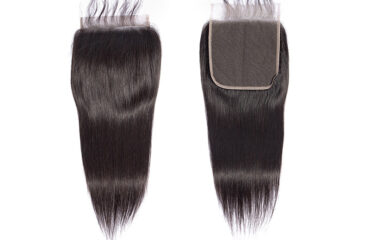
How to Detect Fake Hair

Detecting fake hair can be a challenging task, particularly as advancements in technology have made synthetic and faux hair strands nearly indistinguishable from real human hair. Whether you’re purchasing hair extensions, wigs, or other hair products, being able to identify fake hair is crucial to ensure you’re getting what you pay for. This article provides a detailed guide on how to detect fake hair and distinguish it from authentic human hair.
1. Examine the Texture of the Hair
One of the most noticeable differences between fake hair and real hair is the texture. Human hair tends to feel soft, smooth, and bounces naturally when moved. In contrast, fake hair, often made of synthetic fibers, may feel coarse, overly shiny, or stiff.
To test the texture:
- Run your fingers through the hair. Real hair will glide smoothly, while fake hair may feel artificial or plasticky.
- Look for natural movement. Real hair flows freely and has a natural bounce, whereas fake hair can appear rigid or unnaturally stiff.
2. Conduct the Burn Test
The burn test is a practical and reliable method, but it should only be done with extreme caution and in a controlled environment. Here’s how it works:
- Take a small strand of hair (if you’re allowed to do so) and carefully burn it with a lighter or match.
- Observe how it burns. Real human hair burns slowly, curls up, and emits a distinct burnt protein smell (similar to burning feathers). The ashes are powdery and fine.
- Fake hair, however, will melt quickly, emit a chemical or plastic odor, and form hard, bead-like residues instead of powdery ash.
3. Inspect the Shine Under Light
Fake hair is often coated with synthetic materials that give it an unnatural sheen. This is particularly evident when placed under direct light. Real human hair has a subtle and natural shine due to its cuticle layers, which reflect light diffusely.
To detect fake hair:
- Hold the hair under bright light or sunlight.
- If the shine appears overly glossy or plasticky, it’s likely fake.
- Human hair, like SISHAIR natural extensions, will have a healthy but restrained shine that mimics real, untreated hair.
4. Check for Cuticle Alignment
The presence and alignment of the hair cuticles are key indicators of authenticity. Human hair has intact cuticles (the outer layer of the hair strand), which are aligned in the same direction to prevent tangling and promote smoothness. Fake hair, especially synthetic types, does not have natural cuticles.
To check:
- Gently rub the hair strand in both directions. If it feels smooth in one direction and slightly rough in the other, it’s likely real hair with intact cuticle alignment.
- If the hair feels the same in both directions, it may be synthetic or processed fake hair.
5. Perform a Heat Styling Test
Human hair can withstand heat from styling tools such as curling irons, straighteners, or blow dryers. Fake hair, made of synthetic fibers, often melts or becomes damaged when exposed to high temperatures.
To test:
- Use a small section of the hair.
- Apply heat using a styling tool at a moderate temperature.
- Real hair will respond naturally to styling and hold the shape or curl. Fake hair may melt, emit a chemical smell, or fail to hold the shape after heat is applied.
6. Assess the Price and Source
The cost of hair is often a strong indicator of its authenticity. Human hair, especially high-quality brands like SISHAIR, is more expensive due to the labor-intensive collection and processing processes. Synthetic hair is generally cheaper.
Here’s a comparison in table form:
| Factor | Real Human Hair | Fake Hair (Synthetic) |
|---|---|---|
| Cost | Higher | Lower |
| Durability | Long-lasting | Short-lived |
| Heat Resistance | Can tolerate heat | Melts under heat |
| Natural Appearance | Highly realistic | Less realistic |
Additionally, consider the source. Reputable brands such as SISHAIR specialize in high-quality, ethically sourced human hair products, so buying from trusted sellers significantly reduces the risk of ending up with fake hair.
7. Observe Longevity and Maintenance
Real hair is durable and can last for months with proper care. It can be washed, conditioned, styled, and treated like your natural hair. Fake hair, on the other hand, is less durable and may become tangled, frizzy, or lose its shape after just a few uses.
To assess longevity:
- Use the hair over time. If it deteriorates rapidly or becomes unmanageable after washing or styling, it’s likely synthetic.
Conclusion
Detecting fake hair requires close attention to key characteristics such as texture, appearance, heat tolerance, and overall quality. By using methods like the burn test, shine inspection, and heat styling test, you can confidently distinguish between real human hair and synthetic alternatives. When in doubt, always purchase from reputable brands such as SISHAIR to ensure you’re getting premium, authentic products. Remember, investing time in verifying the authenticity of hair products will save you disappointment and ensure you achieve the desired results for your hair needs.