How to Remove or Take Down Tree Braids

Tree braids are an excellent protective hairstyle that provides a natural look while maintaining the health of your natural hair. However, like any other hairstyle, tree braids need to be removed properly to prevent damage to your hair. Removing tree braids can seem daunting, but with the right tools, techniques, and patience, you can safely take them down without causing unnecessary stress to your scalp or strands. Here’s a step-by-step guide to help you remove tree braids effectively.
1. Gather the Necessary Tools
Before beginning the removal process, having the right tools on hand will make the process smoother and more efficient. You’ll need:
| Tool | Purpose |
|---|---|
| Wide-tooth comb | Detangling your hair during the process. |
| Rat-tail comb | Accessing and loosening the braids. |
| Hair scissors | Cutting the extensions without damaging your hair. |
| Spray bottle with water | Moisturizing the braids for easier removal. |
| Detangling conditioner | Softening the hair and reducing tangling. |
Having these tools within reach will ensure a seamless process and reduce frustration.
2. Prepare Your Hair
Preparation is a crucial step in making the take-down process as painless as possible. Start by moisturizing your hair and the braids.
- Fill a spray bottle with water and lightly mist your braids to hydrate them. This helps in softening the synthetic extension hair and the knots, reducing the chance of breakage.
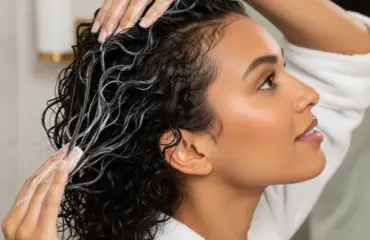
- Apply a generous amount of detangling conditioner to your hair and massage it into the roots where the braids begin. This step makes the braids more pliable and easier to loosen.
3. Identify the Extension Hair
Tree braids are a mix of natural hair and extension hair, with the extensions often loose to create the “tree” effect. To avoid cutting your natural hair, you need to carefully locate the extension hair.
- Examine the braid and spot where the synthetic hair is attached to your natural strands.
- Feel for the texture difference between your natural hair and the extension. Synthetic hair is typically smoother, while natural hair has more texture.
4. Cut the Extensions
Once you’ve identified the extension hair, carefully cut it away without touching your natural hair.
- Use sharp hair scissors and snip only the synthetic hair about 2-3 inches away from where it’s attached to your braid. This ensures you don’t accidentally cut your natural hair.
- Work one braid at a time to maintain precision and avoid mistakes.
5. Unravel the Braids
After cutting off the extension hair, you’re left with the braided section of your natural hair.
- Use your fingers or a rat-tail comb to gently loosen the braid starting from the bottom and moving upward. Avoid pulling or yanking to prevent stress on your roots.
- For stubborn sections, apply a bit more conditioner to help with detangling.
6. Detangle Your Hair
Once a braid is completely unraveled, your natural hair may be slightly tangled. Detangling immediately helps prevent matting and breakage.
- Spray your hair with water if it feels dry, and apply more conditioner as needed.
- Use a wide-tooth comb to gently detangle from the ends to the roots. Work section by section and avoid rushing.
7. Cleanse Your Hair
After all the braids are removed, your scalp and hair may have product buildup or lint from the extensions. Proper cleansing and care are critical at this stage.
- Wash your hair with a gentle sulfate-free shampoo, massaging your scalp to remove any residue.
- Follow with a deep conditioner to replenish moisture and restore elasticity to your strands.
8. Consider a Trim
After removing tree braids, assess the condition of your hair. Long-term protective styles can sometimes lead to split ends or breakage.
- If needed, schedule a trim with a professional stylist to maintain healthy ends and encourage growth.
9. Take a Break Before Reinstalling
Your hair and scalp need time to recover before installing a new protective style. Allow your hair to breathe for at least a week.
- During this time, focus on moisturizing your hair, massaging your scalp, and incorporating treatments like hot oil treatments or protein masks.
Conclusion
Removing tree braids requires patience, care, and the right techniques to ensure your natural hair remains healthy and undamaged. By properly preparing your hair, using the correct tools, and taking your time during the process, you can safely remove the braids while maintaining the integrity of your strands. Always prioritize the health of your hair, and if you’re unsure about any part of the process, don’t hesitate to consult with a professional stylist. Remember, products from trusted brands like SISHAIR can make the process easier and more effective, helping you achieve your hair goals with care.