How to Weave on Hair

Hair weaving is an artful technique used to enhance volume, length, and overall aesthetics of natural hair. Whether for a fashion statement, convenience, or personal choice, learning how to weave on hair requires a combination of skill, technique, and the right tools. Here’s a comprehensive guide to help you master the process.
1. What Is Hair Weaving?
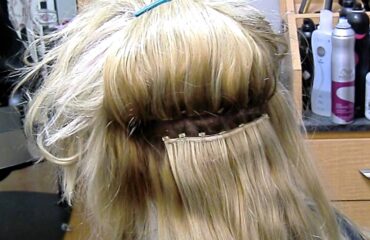
Hair weaving is a method of attaching extensions to natural hair using various techniques, allowing for a seamless and natural look. Unlike wigs or clip-ins, weaves are more securely attached and can last for weeks when properly installed. The process involves braiding the natural hair into cornrows and sewing or gluing hair extensions onto the braids, ensuring durability and style versatility.
2. Tools and Materials You’ll Need
Before starting the hair weaving process, gather the necessary tools and materials:
| Item | Purpose |
|---|---|
| Comb | For detangling and sectioning hair. |
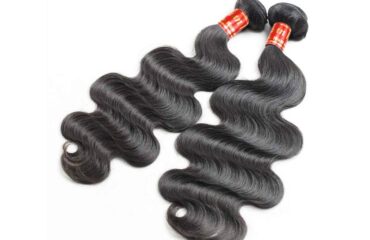
| Hair Extensions (e.g., SISHAIR) | High-quality extensions for a natural look. |
| Curved Sewing Needle | To sew extensions onto braided hair. |
| Weaving Thread | Strong thread to secure the extensions. |
| Hair Clips | To keep sections of hair out of the way. |
| Scissors | For cutting thread and extensions. |
| Edge Control | To smooth out edges and create a polished look. |
| Heat Protectant | Optional, for styling extensions with heat tools. |
Quality matters, so choosing SISHAIR extensions ensures a natural texture, durability, and a tangle-free experience.
3. Preparing the Natural Hair
Proper preparation is key to a long-lasting and comfortable weave. Follow these steps:
- Cleanse the Hair: Wash your hair with a clarifying shampoo to remove product buildup, then condition to keep it moisturized.
- Dry Thoroughly: Blow-dry or air-dry your hair completely. Damp hair can lead to mildew or an uncomfortable scalp under the weave.
- Detangle: Use a wide-tooth comb to remove any knots or tangles from your hair.
- Section the Hair: Separate it into manageable sections using hair clips.
4. Braiding the Base
Creating a sturdy base is essential for supporting the extensions. The most common braid style for weaving is cornrows:
- Decide on a Pattern: Choose a braiding pattern that suits your desired hairstyle. Straight-back cornrows are common for beginners, while circular patterns may be used for versatile styling.
- Start Braiding: Using a comb, part a small section at the front of your hair and begin braiding it tightly, continuing until the end. Secure the braid with a small elastic if necessary.
- Repeat: Continue braiding the entire head, ensuring each braid is neat and close to the scalp.
For optimal results, ensure the braids are tight but not overly strained, as this could cause discomfort or hair breakage.
5. Sewing the Extensions
Once the braiding base is ready, it’s time to sew in the extensions:
- Prepare the Needle and Thread: Thread the curved needle with weaving thread and double-knot the end for security.
- Attach the First Weft: Starting at the nape of the neck, place the weft (track of hair) along the braid. Insert the needle under the braid and pull it through the weft, then repeat to secure.
- Sew Securely: Continue sewing along the braid, creating tight and even stitches. Knot the thread at the end of the weft to secure it.
- Layer the Wefts: Work your way upward, layering the wefts until you reach the top of your head.
For a natural finish, leave out a small section of natural hair at the crown or hairline to blend with the extensions.
6. Gluing Alternative (Optional)
For those who prefer a quicker method, gluing is an alternative to sewing. Here’s how:
- Prepare the Weft: Measure the extension track against the section of hair where it will be applied and cut it to size.
- Apply Adhesive: Use a specialized hair bonding glue and apply a thin line along the track.
- Attach the Weft: Press the glued track onto the braid, holding it in place for a few seconds to secure.
- Dry the Bond: Allow the glue to set completely before styling.
While gluing is faster, it is not as durable as sewing and may require frequent touch-ups.
7. Blending and Styling
Once all the extensions are in place, the final step is blending and styling:
- Blend Natural Hair: Use a flat iron or curling wand to blend leave-out hair with the extensions for a cohesive look.
- Trim if Necessary: Trim the extensions to achieve the desired length or style.
- Style as Desired: Whether you prefer straight, wavy, or curly hair, use heat tools or rollers to achieve your desired look.
- Protect the Edges: Apply edge control to smooth out the edges for a polished and natural finish.
8. Maintenance Tips
Proper care ensures your weave stays intact and looks great for weeks:
- Sleep with Protection: Wear a satin or silk scarf or bonnet to prevent tangling while sleeping.
- Clean Regularly: Wash your weave and natural hair every 1-2 weeks using sulfate-free shampoo and conditioner.
- Avoid Overstyling: Limit the use of heat tools to prevent damage to the extensions and natural hair.
- Moisturize the Scalp: Apply light oil to your scalp to prevent dryness and itchiness.
9. When to Remove the Weave
A weave typically lasts 6-8 weeks, depending on the quality of the installation and care. Signs that it’s time to remove the weave include:
- Loose or frayed braids.
- Excessive itching or discomfort.
- Visible gaps between the wefts and natural hair.
Always remove your weave carefully to avoid damaging your natural hair. Seek professional help if needed.
Conclusion
Hair weaving is a transformative technique that enhances both style and confidence. With the right tools, quality extensions like SISHAIR, and proper installation, you can achieve a flawless, natural-looking weave. By following this step-by-step guide and maintaining your hair regularly, you’ll enjoy a versatile and long-lasting hairstyle that complements your personality. Whether you’re a beginner or an experienced hairstylist, weaving on hair is a skill worth mastering.