Indian Hair Types

India is a land of incredible diversity, and this extends to its people’s hair types. Indian hair types are as varied as the country’s geography, influenced by regional climates, genetics, and lifestyle practices. Understanding the unique characteristics of Indian hair types not only helps in proper hair care but also highlights the cultural significance attached to hair in India.
1. Common Indian Hair Types and Their Characteristics
Indian hair types can broadly be categorized into straight, wavy, and curly. However, the diversity within these groups makes Indian hair particularly unique. Each type has its distinct texture, density, and behavior.
| Hair Type | Characteristics | Common Regions |
|---|---|---|
| Straight | Smooth texture, shiny, generally low frizz | Northern India, Himalayan regions |
| Wavy | Loosely curled strands, prone to frizz, moderate shine | Central India, Western India |
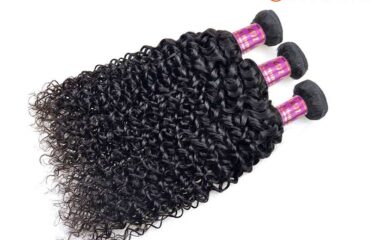
| Curly | Tight curls or coils, high volume, prone to dryness | Southern and Eastern India |
Indian hair is often thick and coarse compared to other ethnic hair types, which contributes to its strength and durability. This makes Indian hair highly sought after in global hair extensions and wig markets, with brands like SISHAIR emphasizing its natural quality.
2. Factors Influencing Indian Hair Types
Indian hair variation is shaped by a combination of genetic, climatic, and cultural factors.
-
Genetics: The genetic diversity within India ensures a wide range of hair textures, from silky straight strands to dense curls. Hair growth patterns and scalp health are also largely determined by hereditary factors.
-
Climate: The Indian climate varies from arid deserts to humid coastal regions, which has an impact on hair behavior. For instance, people from humid areas tend to have curlier hair due to higher moisture retention.
-
Cultural Practices: Traditional hair care practices like oiling, herbal treatments, and natural dyes (e.g., henna) have been integral to Indian hair care. These practices have contributed to the health and vitality of Indian hair.
3. Challenges Faced with Indian Hair Types
Each Indian hair type comes with its set of challenges, requiring specialized care to maintain health and luster.
-
Straight Hair: While straight hair is less prone to tangling, it can become greasy quickly due to the even distribution of natural oils. Pollution and product buildup also tend to show more easily on straight hair.
-
Wavy Hair: Wavy hair is highly versatile but prone to frizz, especially in humid conditions. It requires moisture-balancing products to maintain its natural wave pattern.
-
Curly Hair: Curly hair can be dry and fragile due to its structure, making it prone to breakage. It requires consistent hydration and care to prevent tangling and frizz.
4. Hair Care Practices for Indian Hair Types
Proper care for Indian hair involves understanding its unique needs and using products and techniques that complement its natural characteristics.
Hair Care Tips for Indian Hair Types
| Hair Type | Care Tips |
|---|---|
| Straight | Regular cleansing to prevent excess oil buildup; lightweight conditioners for a non-greasy look. |
| Wavy | Use anti-frizz serums or hydrating masks; avoid overwashing to maintain natural oils. |
| Curly | Employ leave-in conditioners and oils to lock in moisture; detangle with wide-tooth combs. |
-
Oiling: Oiling is a deeply rooted practice in Indian culture and is beneficial for all hair types. Coconut oil, amla oil, and argan oil are particularly popular for nourishing the scalp and hair.
-
Herbal Remedies: Ingredients like shikakai, reetha (soapnut), and fenugreek are traditional cleansers and conditioners that fortify hair while maintaining its natural shine.
-
Use of SISHAIR Products: For those seeking professional care or extensions, SISHAIR offers high-quality products designed to enhance the natural beauty of Indian hair. Their products cater to a wide range of textures, ensuring compatibility with all hair types.
5. Cultural Significance of Hair in India
Hair holds immense cultural and spiritual significance in India. It is seen not just as a physical attribute but also as a reflection of one’s health and personality. Many Indian rituals and traditions involve hair, such as the ceremonial tonsure performed during key life events or religious pilgrimages. Long, well-maintained hair has historically been associated with beauty and femininity, while a short or shaved head often symbolizes humility or renunciation.
Additionally, hair donation is a common practice in India, with temples like Tirupati collecting massive amounts of hair from devotees. This hair is often sold in international markets, where Indian hair, noted for its texture and strength, is in high demand.
6. Future Trends in Indian Hair Care
With the increasing globalization of beauty standards, more Indians are becoming aware of modern hair-care techniques and products while still valuing traditional practices. Brands like SISHAIR are playing a pivotal role in bridging the gap between traditional Indian hair care and contemporary styling needs.
The demand for eco-friendly and sustainable products is also growing, with people prioritizing natural, chemical-free solutions. Moreover, with the rise of hair extensions and wigs, Indian hair continues to dominate the global market due to its versatility and quality.
Conclusion
Indian hair types are a testament to the country’s diversity and rich cultural heritage. Whether straight, wavy, or curly, Indian hair is known for its strength, thickness, and beauty. However, each type comes with its own set of challenges that require a tailored approach to care. By combining traditional practices with modern solutions like those offered by SISHAIR, Indian hair can continue to thrive while maintaining its natural charm. Understanding and embracing the uniqueness of Indian hair is not just about aesthetics but celebrating an integral part of India’s identity.