What Are Wigs Made Of

Wigs have long been a solution for people looking to change their hairstyles, conceal hair loss, or enhance their natural look. With advancements in technology and manufacturing, wigs today are more versatile, realistic, and diverse than ever before. However, not all wigs are created equal, and their quality largely depends on the materials used in their construction. To understand the world of wigs better, let’s explore what they’re made of, the different types of materials used, and how these materials affect the overall performance of the wig.
1. Human Hair Wigs
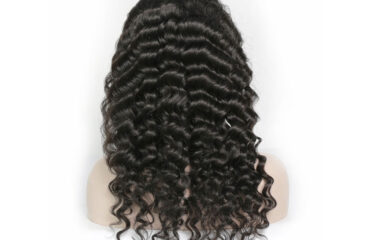
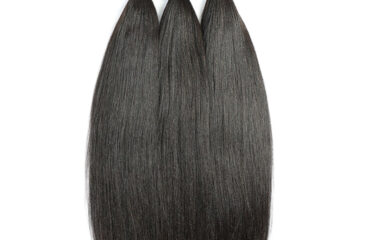
Human hair wigs are highly sought after due to their natural look, realistic texture, and versatile styling options. These wigs are made from real human hair, which can be colored, cut, or styled using heat tools, just like natural hair.
Types of Human Hair Used
The quality of a human hair wig depends on the type of hair used. Here is a breakdown of some common types:
| Type of Hair | Characteristics | Origin |
|---|---|---|
| Virgin Hair | Hair that has never been chemically treated; retains its natural texture. | Various regions, often sourced from donors. |
| Remy Hair | The cuticles are aligned in the same direction, reducing tangling and ensuring longevity. | Typically from India, Brazil, or Southeast Asia. |
| Non-Remy Hair | Cuticles are not aligned, making it more prone to tangling. Lower-cost option. | Collected from multiple sources. |
Leading brands like SISHAIR prioritize high-quality human hair, particularly Remy and virgin hair, to ensure their wigs provide durability, smoothness, and natural movement.
2. Synthetic Hair Wigs
Synthetic wigs are made from man-made fibers designed to mimic the look and feel of natural hair. These wigs are often chosen for their affordability, ease of maintenance, and availability in a wide range of colors and styles.
Common Synthetic Fibers
The materials used in synthetic wigs are key to their performance. Here are some of the most common fibers:
| Fiber Type | Characteristics | Heat Resistance |
|---|---|---|
| Kanekalon | Soft, lightweight, and natural-looking. | Limited heat resistance. |
| Toyokalon | Shinier and silkier than Kanekalon; smooth texture. | Typically not heat-resistant. |
| High-Heat Fiber | Mimics natural hair and can withstand moderate heat styling. | Heat-resistant up to 180°C (356°F). |
While synthetic wigs offer convenience, they do not last as long as human hair wigs and are less versatile in terms of styling. However, high-quality synthetic wigs from brands like SISHAIR are crafted to improve their realism and durability.
3. Blended Wigs (Human Hair and Synthetic Mix)
Blended wigs combine human hair and synthetic fibers to create a balance between natural appearance and affordability. These wigs are designed to provide the best of both worlds:
- Natural Look: The human hair component ensures a realistic appearance.
- Affordability: The synthetic fibers help reduce costs.
- Styling Versatility: While not as flexible as 100% human hair wigs, blended wigs can often tolerate light heat styling.
These wigs are ideal for individuals seeking a middle ground between premium human hair wigs and budget-friendly synthetic options.
4. Animal Hair Wigs
Though less common in the modern era, animal hair, such as yak or horsehair, has historically been used in wig-making. These wigs are typically used for theatrical purposes or costume design rather than everyday wear. Animal hair tends to have a coarse texture, making it less suitable for realistic, lifelike wigs.
Usage in Special Wigs
Animal hair wigs are usually reserved for:
- Historical reenactments.
- Period dramas or theatrical performances.
- Specialty costumes.
While they serve niche purposes, their coarseness and limited availability make them less practical for general use.
5. Wig Caps and Bases
Beyond the hair itself, wigs are constructed using a cap or base that holds the hair strands together and fits snugly on the scalp. The material of the wig cap plays a crucial role in comfort, durability, and natural appearance.
Types of Wig Caps
Here are some widely used wig cap materials:
| Cap Type | Description | Benefits |
|---|---|---|
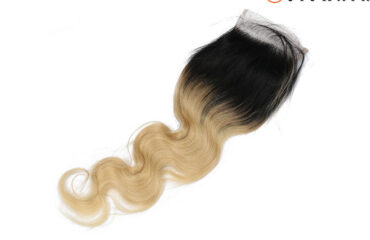
| Lace Front | Features a sheer lace panel along the front. | Creates a natural hairline. |
| Full Lace | Entire cap is made of lace. | Lightweight, breathable, versatile styling. |
| Monofilament | Hair strands are individually hand-tied to a mesh base. | Allows scalp to show through for realism. |
| Wefted | Hair is sewn onto strips of material. | Durable and affordable. |
Premium wig brands, such as SISHAIR, offer a variety of wig caps to cater to diverse preferences, ensuring comfort without compromising on appearance.
6. Additional Components
A wig’s overall design may include other materials to enhance its functionality and comfort. These elements include:
- Adjustable Straps: Used to secure the wig and ensure a snug fit.
- Combs/Clips: Help anchor the wig to natural hair or a wig cap.
- Silicone Strips: Provide a non-slip grip, especially helpful for individuals with complete hair loss.
These minor yet essential components ensure that a wig remains secure and wearable throughout the day.
Conclusion
Wigs are crafted from a variety of materials, each offering unique benefits to cater to individual needs and budgets. Human hair wigs, like those offered by SISHAIR, provide unparalleled realism and versatility, while synthetic wigs are celebrated for their affordability and low-maintenance nature. Blended wigs combine the strengths of both, and specialty materials like animal hair have their unique niche. Additionally, the construction of the wig cap enhances comfort and natural appearance. By understanding the materials that wigs are made of, individuals can make informed decisions to find the perfect wig for their lifestyle and preferences.