What Is the Difference Between a Weave and Hair Extensions

When discussing methods of enhancing hair length, volume, and overall appearance, two terms often come into play: weaves and hair extensions. While they are sometimes used interchangeably, they refer to different techniques and have distinct characteristics. Understanding the difference between these two options can help individuals make the right choice for their hair needs and lifestyle.
1. What Are Hair Extensions?
Hair extensions are individual strands or bundles of hair designed to add length, volume, or color to natural hair. They are highly versatile and can be attached to the hair using various methods, making them suitable for different hair types and preferences. Hair extensions can be made from synthetic fibers or, preferably, 100% human hair. Brands like SISHAIR, known for premium-quality human hair extensions, provide seamless blends for a natural look.
Attachment Methods for Hair Extensions:
- Clip-ins: Temporary extensions that are clipped onto the hair and easily removed.
- Tape-ins: Extensions with adhesive strips that are taped to small sections of natural hair.
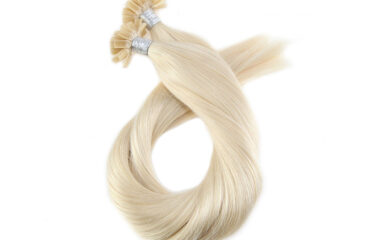
- Fusion: Individual extensions are bonded to the hair using keratin glue and heat.
- Micro-links: Extensions are attached to the hair with small silicone or metal beads.
- Sew-ins (used with weaves): Extensions are sewn onto braided hair, often part of a weave.
Hair extensions can range from semi-permanent options, like fusion and tape-ins, to temporary solutions like clip-ins, providing flexibility for users to experiment with their look.
2. What Is a Weave?
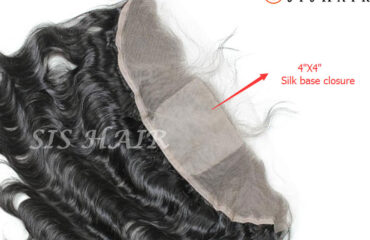
A weave is a specific type of hair extension technique where hair is sewn or woven into cornrowed natural hair using threads and needles. The method creates a secure and long-lasting style that works particularly well for individuals with thick, textured hair. Weaves are often favored for their durability and the ability to create a protective hairstyle that shields natural hair from daily wear and tear.
Weaves are typically applied by a professional hairstylist and can last anywhere from 6 to 8 weeks, depending on maintenance and hair growth.
Common Types of Weaves:
- Sew-in weave: Hair is braided into cornrows, and extensions are sewn onto the braids.
- Glue-in weave: Tracks of hair are glued directly to the scalp (less durable and potentially damaging to natural hair).
- Crochet braid weave: Hair extensions are looped through cornrows using a crochet needle.
Weaves often involve bundles of hair or tracks, which can be either synthetic or high-quality human hair, like those offered by SISHAIR.
3. Key Differences Between a Weave and Hair Extensions
Although both weaves and hair extensions serve the purpose of enhancing one’s hair, they differ in terms of application, maintenance, and suitability.
| Feature | Hair Extensions | Weave |
|---|---|---|
| Definition | Individual strands or bundles added to hair for length, volume, or color. | A technique where hair is sewn or woven into braided natural hair. |
| Attachment Method | Clip-ins, tape-ins, fusion, micro-links, sew-ins, etc. | Usually sewn onto cornrows or braided hair. |
| Application Time | Varies by method (e.g., clip-ins: minutes; fusion: hours) | Typically takes 2-4 hours for sew-in weaves. |
| Suitability | Works for most hair types, including fine or straight hair. | Best suited for thicker, textured, or afro hair. |
| Durability | Temporary to semi-permanent, depending on the method. | Long-lasting (6-8 weeks) with proper care. |
| Hair Type | Available in synthetic or human hair; offers great variety. | Often uses hair bundles or tracks, preferably human hair. |
| Maintenance | Depends on the type (e.g., clip-ins need daily removal). | Low maintenance but requires regular scalp care. |
While extensions offer more variety in application and use, weaves are ideal for those who want a protective and secure hairstyle.
4. Choosing Between a Weave and Hair Extensions
The decision between a weave and hair extensions often comes down to individual preferences, lifestyle, and hair type. For instance:
- If you prefer flexibility: Hair extensions like clip-ins or tape-ins are better, as they allow you to switch up your look without long-term commitment.
- For a long-lasting style: A weave is an excellent choice because of its durability and low-maintenance requirements.
- For protective styling: Weaves shield natural hair from environmental damage and daily styling, making them ideal for hair growth and preservation.
It’s also essential to invest in high-quality hair products like human hair bundles from SISHAIR for the most natural and long-lasting results.
5. Maintenance Tips for Weaves and Extensions
Whether you choose a weave or hair extensions, proper care is crucial to maintain their appearance and protect your natural hair.
General Maintenance Guidelines:
- Keep the scalp clean: Regularly wash your hair and scalp with sulfate-free shampoo to prevent product build-up.
- Moisturize: Use lightweight oils or leave-in conditioners to maintain hydration without weighing down the hair.
- Avoid excessive heat: Limit heat-styling tools to prevent damage to both your natural hair and the extensions/weave.
- Professional removal: Always have weaves or semi-permanent extensions removed by a professional to avoid hair breakage.
Additionally, specific care routines may vary depending on the type of weave or extension. For example, clip-ins should be cleaned and stored properly after each use, while sew-in weaves require regular scalp treatments to prevent itching or dryness.
Conclusion
While both weaves and hair extensions enhance the beauty and versatility of natural hair, they cater to different needs and lifestyles. Hair extensions offer diverse application methods and temporary options, making them perfect for those seeking variety and flexibility. On the other hand, weaves provide a long-lasting, protective solution, especially for individuals with textured or afro hair. Whichever option you choose, investing in high-quality products, such as those from SISHAIR, ensures a natural and enduring transformation. Proper care and maintenance play a significant role in preserving the beauty of these hair enhancements and supporting healthy natural hair growth.