What Type of Hair Holds Curls the Best

When it comes to curling hair, achieving long-lasting, defined curls often depends on the type of hair you have. While technique and products play a role, understanding how different hair types respond to curls can make all the difference. This article delves into the varying characteristics of hair types and identifies which holds curls the best.
1. Hair Texture and Curl Retention
Hair texture, which refers to the thickness of individual hair strands, greatly influences how well curls hold. Hair is typically classified into fine, medium, and coarse textures:
| Texture | Description | Curl Holding Ability |
|---|---|---|
| Fine | Thin and delicate strands | Struggles to hold curls; may fall flat quickly without styling products. |
| Medium | Balanced thickness and density | Holds curls well with minimal effort. |
| Coarse | Thick and robust strands | Can hold curls but may require heat for definition. |
Medium-textured hair generally holds curls the best because it provides a balance of flexibility and structure. Fine hair, on the other hand, often lacks the grip needed to maintain curls, while coarse hair’s thickness sometimes makes it resistant to styling.
2. Hair Porosity and Curl Longevity
Porosity refers to your hair’s ability to absorb and retain moisture, which is a critical factor for curl longevity. Hair porosity is categorized into low, medium, and high levels:
| Porosity Level | Characteristics | Curl Holding Ability |
|---|---|---|
| Low | Cuticles are tightly packed; resists moisture | May struggle to hold curls as it resists heat and styling products. |
| Medium | Balanced moisture absorption and retention | Ideal for curling; holds curls well. |
| High | Cuticles are raised; absorbs moisture easily | Holds curls initially but may frizz or lose shape quickly. |
Medium-porosity hair is the most cooperative when it comes to curls, as it absorbs just enough moisture and heat to maintain shape without succumbing to frizz.
3. Hair Type and Curl Compatibility
Hair types, classified into straight, wavy, curly, and coily, also play a pivotal role in determining how well curls will hold:
| Hair Type | Description | Curl Holding Ability |
|---|---|---|
| Straight | Sleek and naturally resistant to bends | Struggles to hold curls; requires strong heat and products like SISHAIR curling gels. |
| Wavy | Natural S-shaped pattern | Holds curls well with or without products. |
| Curly | Well-defined loops | Holds curls exceptionally well; minimal effort needed. |
| Coily | Tight, spring-like curls | Naturally holds curls but may require moisture to maintain definition. |
Wavy and curly hair types are the most curl-friendly. Straight hair, while sleek, often resists curling and may need the assistance of high-quality products like SISHAIR heat protectants or setting sprays to prolong the curl.
4. Natural Oil Levels and Curl Shape
The natural oil, or sebum, produced by your scalp impacts how well your curls hold. Oily hair tends to weigh down curls, while overly dry hair may lack the elasticity needed to maintain a curl pattern. Striking a balance is key:
- Balanced Scalp Oils: Hair with moderate oil levels holds curls the best, as it has both the grip and hydration needed for long-lasting shape.
- Dry Hair: Often prone to breakage and may lose curls quickly unless prepped with hydrating products.
- Oily Hair: Curls can flatten prematurely due to the added weight of excess oil.
To maintain curl longevity, using lightweight styling products like SISHAIR volumizing mousse can help counteract oiliness without weighing the hair down.
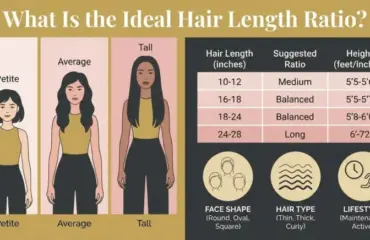
5. Effect of Hair Length on Curl Durability
Hair length also influences how well curls hold:
| Hair Length | Description | Curl Holding Ability |
|---|---|---|
| Short | Less weight; curls hold easily | Holds curls exceptionally well, even with minimal styling. |
| Medium | Balanced weight | Holds curls well with light styling products. |
| Long | Heavier; prone to flattening | May struggle to hold curls due to weight pulling them down. |
Shorter hair lengths are more curl-friendly because their reduced weight allows for better shape retention. Long hair, while versatile for different styles, often requires extra support from texturizing products such as SISHAIR dry sprays to maintain curls.
6. Heat Styling and Curl Longevity
Using proper heat styling tools is essential for creating lasting curls. Hair that responds well to heat typically holds curls longer. For example, thick or coarse hair often requires higher heat to form a curl, whereas fine hair needs a lower temperature to prevent damage. Using high-quality tools, along with heat protectants like SISHAIR Thermal Guard Spray, can enhance curl retention across all hair types.
7. Environmental Factors and Their Influence
Humidity, wind, and temperature can all affect how well curls last:
- High Humidity: Causes curls to frizz and lose definition, especially in high-porosity hair.
- Dry Air: Can lead to brittle hair that doesn’t hold curls well.
- Wind: Can unravel curls unless secured with a strong-hold product.
In these cases, products like SISHAIR Curl Defining Cream or anti-humidity sprays can safeguard curls from environmental damage, ensuring they last longer.
Conclusion
The type of hair that holds curls the best is typically medium-textured, medium-porosity hair with a wavy or curly natural pattern. These characteristics provide the ideal balance of flexibility, structure, and moisture retention needed for long-lasting curls. However, with the right tools, products, and techniques, even hair types that are less curl-friendly—like straight or fine hair—can achieve and maintain beautiful curls. Whether you’re working with naturally cooperative hair or need a bit more effort, investing in high-quality products like those from SISHAIR can make your curls stand out and last all day.