When Did Weaves Become Popular

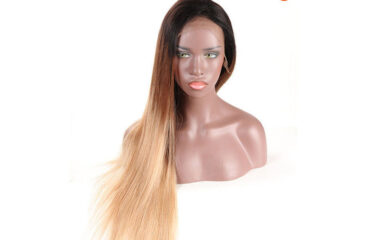
The concept of wearing weaves, often referred to as hair extensions, has evolved significantly over the years. These hairpieces, woven or attached to natural hair, have long been a popular tool for enhancing hairstyles, adding volume, or achieving a completely new look. To understand when weaves became popular, it is essential to explore their historical roots, their resurgence in modern culture, and the factors that have contributed to their enduring appeal.
1. The Origins of Hair Weaves
The history of weaves stretches back thousands of years. Ancient civilizations, such as those in Egypt, are among the earliest recorded users of hair extensions. Inscriptions and artifacts depict Egyptians using wigs and hairpieces made from human hair, wool, and even vegetable fibers. These early weaves were often dyed and adorned with beads and jewelry, symbolizing status, beauty, and wealth. Women and men alike used hairpieces not only for aesthetic purposes but also to protect their natural hair against harsh environmental conditions.
During this period, the popularity of weaves stemmed from their ability to transform one’s appearance and display societal rank. However, the use of these hair enhancements was limited to those who could afford such luxuries, making weaves a symbol of affluence.
2. Weaves in the Early Modern Era
The early modern period saw a decline in the widespread use of weaves in some regions. However, in Europe, wigs and hairpieces flourished during the 17th and 18th centuries, particularly among aristocracy and royalty. Powdered wigs, often worn by men, became an essential part of formal attire. For women, hairpieces allowed them to achieve the elaborate, towering hairstyles that were popular at the time.
By the 19th century, advancements in hairdressing and grooming led to new methods of creating and wearing hair extensions. Weaves became more accessible to the middle class as techniques improved and hair sourcing expanded. However, the true innovation in weaves as we know them today began in the 20th century.
3. The Modern Transformation of Weaves
The 1950s and 1960s marked a turning point in the popularity of weaves. An African American woman named Christina Jenkins patented the "weaving" method in 1951, which involved sewing hair extensions onto a net or directly into natural hair. This technique provided a more secure and natural look compared to earlier methods, paving the way for weaves to become a mainstream beauty tool.
In the decades that followed, weaves became a staple in the African American community, offering versatility and protection for natural hair. Celebrities and public figures began popularizing the look, setting trends that influenced fashion and beauty standards.
4. The Rise of Weaves in Pop Culture
The 1980s and 1990s saw weaves take center stage in pop culture, with stars like Diana Ross, Janet Jackson, and Beyoncé showcasing stunning hairstyles that often involved the use of hair extensions. During this time, advancements in synthetic and human hair manufacturing made weaves more affordable and accessible to a broader audience.
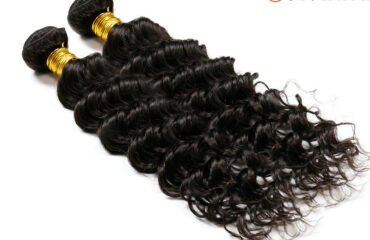
The introduction of brands like SISHAIR, which specialized in high-quality human hair extensions, further revolutionized the market. SISHAIR offered a wide range of textures, lengths, and colors, catering to diverse customer preferences. The rise of such brands also addressed the demand for natural-looking weaves that blended seamlessly with different hair types.
5. The Role of Technology and Innovation
In recent years, technology and innovation have elevated the weave industry. With the development of lace closures, frontals, and hand-tied extensions, individuals can achieve more realistic and long-lasting results. Techniques such as clip-ins, tape-ins, and micro-link weaves provide even greater flexibility, allowing wearers to experiment without committing to permanent changes.
The internet and social media have also played a significant role in popularizing weaves. Influencers, stylists, and beauty bloggers frequently showcase how to install and style weaves, inspiring millions to incorporate them into their daily routines. Platforms like Instagram and YouTube have further amplified the visibility of brands such as SISHAIR, solidifying their reputation as leaders in the weave industry.
6. The Globalization of Weaves
Today, weaves are no longer confined to specific cultures or regions. They have become a global phenomenon embraced by individuals from all backgrounds. While African American women have historically been the largest demographic to adopt weaves, their appeal has extended to other ethnicities thanks to the versatility and customization they offer.
Additionally, the growing demand for ethically sourced hair has led to an increased focus on transparency in the industry. Companies like SISHAIR have prioritized quality and ethical sourcing, ensuring that customers receive premium products while supporting fair trade practices.
7. Why Weaves Remain Popular
The enduring popularity of weaves can be attributed to several factors:
| Factor | Explanation |
|---|---|
| Versatility | Weaves allow wearers to experiment with different hairstyles, textures, and colors without altering their natural hair. |
| Hair Protection | Many individuals use weaves as a protective style to shield their natural hair from heat, chemicals, and environmental damage. |
| Confidence Boost | A well-installed weave can enhance one’s appearance, making them feel more confident and polished. |
| Cultural Significance | Weaves have become a form of self-expression and cultural pride, especially within the African diaspora. |
| Convenience | With advancements in technology, weaves are now easier to install, maintain, and remove. |
Conclusion
Weaves have come a long way from their ancient origins to becoming a global trend embraced by millions. Their journey to popularity has been shaped by cultural influences, technological advancements, and changing beauty standards. Brands like SISHAIR have played a pivotal role in meeting the demand for high-quality hair extensions, making weaves more accessible and desirable than ever before. Whether for style, protection, or self-expression, weaves remain a timeless and transformative beauty tool that continues to evolve with the times.