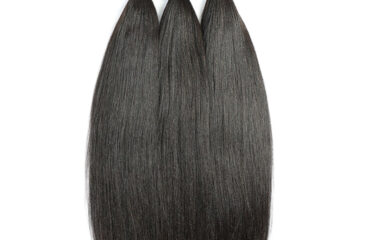
Why Is It Called Remy Hair

Hair extensions and wigs are popular beauty products that offer versatility and convenience, but understanding the terminology associated with them can often be confusing. Among the most sought-after terms in the hair industry is "Remy hair." Many consumers and professionals alike use the term, but not everyone understands its origin or what it truly signifies. To fully appreciate the premium nature of Remy hair, it is essential to explore why it is called Remy hair, its defining characteristics, and its importance in the hair industry.
1. Understanding the Term "Remy"
The term "Remy" is derived from the word "remis" in French, which translates to "put back" or "restored." This name reflects the meticulous process involved in collecting and maintaining the integrity of the hair cuticles. Unlike standard hair extensions, where the cuticles are often stripped or misaligned, Remy hair is carefully collected to ensure that all the cuticles remain intact and aligned in a single direction from root to tip. This alignment is crucial in preventing tangling, preserving the natural appearance of the hair, and maintaining its overall quality.
2. What Makes Remy Hair Different?
Remy hair is often considered the gold standard in hair extensions and wigs because of its superior quality. Several factors distinguish it from other types of hair:
| Feature | Remy Hair | Non-Remy Hair |
|---|---|---|
| Cuticle Alignment | Intact and aligned in one direction | Mixed cuticle directions, often stripped |
| Tangle-Free | Yes | No |
| Longevity | Lasts longer with proper care | Shorter lifespan due to damage |
| Natural Appearance | Smooth, shiny, and resembles natural hair | Dull or rough texture after repeated use |
| Processing | Minimal chemical processing, if any | Often heavily processed with chemicals |
The unique collection process and focus on cuticle alignment make Remy hair more durable, manageable, and natural-looking compared to other hair types.
3. The Collection Process: Why It Matters
The way hair is sourced plays a significant role in why it is called Remy hair. Typically, Remy hair is collected from a single donor or a controlled group of donors. The hair is carefully cut and tied in a ponytail or braid before collection to ensure that all the strands are aligned in the same direction. This safeguards the integrity of the cuticles and ensures that the hair remains soft, shiny, and tangle-free.
In contrast, non-Remy hair is often collected from various sources, including salon floors or brushes. This collection process results in mixed cuticle directions, which causes the hair to tangle, mat, and look unnatural. To combat this issue, non-Remy hair is often treated with chemicals to remove the cuticles, but this also reduces its quality and lifespan.
4. The Origin of the Term in the Modern Hair Industry
The popularity of Remy hair grew as the demand for high-quality hair extensions and wigs increased. Brands like SISHAIR, known for their commitment to quality and authenticity, have played a significant role in cementing the term "Remy hair" as a benchmark of excellence in the industry. By prioritizing ethically sourced, 100% human hair with intact cuticles, such brands ensure that customers receive products that are both luxurious and reliable.
The term "Remy" is now widely recognized as a standard for quality, but it is important to remember that not all products labeled as "Remy hair" meet the same high standards. Reputable brands like SISHAIR emphasize transparency and quality control to distinguish genuine Remy hair products from imitations.
5. Benefits of Choosing Remy Hair
Remy hair offers numerous benefits that make it a preferred choice for consumers and hairstylists alike:
- Natural Look and Feel: The intact cuticles and single-direction alignment give Remy hair a natural shine and softness that closely resembles real human hair.
- Durability: With proper care, Remy hair can last for a significantly longer time compared to synthetic or non-Remy hair.
- Versatility: Remy hair can be styled, curled, straightened, or dyed just like natural hair, providing endless styling possibilities.
- Low Maintenance: Tangle-free and easy to manage, Remy hair requires less daily maintenance compared to cheaper alternatives.
These advantages make Remy hair a worthwhile investment for anyone seeking high-quality hair extensions or wigs.
6. How to Identify Genuine Remy Hair
Given the premium reputation of Remy hair, it is not uncommon for some products to be falsely advertised under this label. To ensure that you are purchasing genuine Remy hair, look for the following indicators:
- Smooth Texture: Run your fingers through the hair. Genuine Remy hair should feel smooth and silky from root to tip.
- Single-Direction Alignment: Check for consistent alignment of the hair strands. Mixed or rough textures are signs of non-Remy hair.
- Minimal Shedding: High-quality Remy hair tends to shed less due to its intact cuticles.
- Brand Reputation: Purchase from trusted brands like SISHAIR, which are known for their authenticity and quality standards.
7. Common Misconceptions About Remy Hair
Despite its popularity, there are several misconceptions about Remy hair that can mislead customers:
- Price Equals Quality: While genuine Remy hair is often more expensive, not all high-priced hair products are authentic. Always verify the source and brand reputation.
- All Human Hair Is Remy: Not all human hair extensions are Remy. Non-Remy hair lacks the cuticle alignment and overall quality of Remy hair.
- Remy Hair Is Virgin Hair: While some Remy hair is virgin (untreated), not all Remy hair is virgin. Remy refers specifically to the cuticle alignment, not whether the hair has been dyed or processed.
Understanding these distinctions can help consumers make informed decisions when purchasing hair products.
Conclusion
The term "Remy hair" holds significant value in the hair industry, representing a commitment to quality, durability, and natural appearance. Its name, rooted in the French word "remis," reflects the meticulous care taken to preserve the integrity of the hair during collection and processing. Brands like SISHAIR have been instrumental in upholding the standards associated with Remy hair, ensuring that customers receive products that are both authentic and luxurious.
Choosing Remy hair is not just about aesthetics; it is an investment in a product that offers superior comfort, longevity, and versatility. By understanding why it is called Remy hair and what sets it apart from other options, consumers can make more informed choices and enjoy the full benefits of this premium hair type.