Why Is Remy Hair so Expensive

Achieving beautiful, natural-looking hair extensions or wigs often comes down to the quality of the hair used, and Remy hair has long been regarded as the gold standard in the hair industry. However, for anyone exploring this territory, one pressing question often arises: why is Remy hair so expensive? Delving into the details reveals that the cost of Remy hair is driven by a combination of factors, from sourcing to processing and overall quality. Here’s an in-depth look at why Remy hair commands such a premium price.
1. What is Remy Hair?
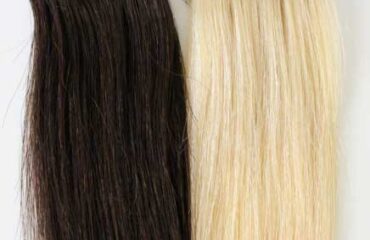
To understand the cost, it’s important to first define what Remy hair is. Remy hair refers to hair collected in a way that ensures all cuticles are aligned in the same direction. This alignment prevents tangling, maintains the hair’s longevity, and ensures a smooth, natural look. Unlike non-Remy hair, where cuticles may face different directions or be stripped entirely, Remy hair retains its integrity, making it the preferred choice for high-quality hair extensions and wigs.
This meticulous collection process is the foundation of its higher cost. Unlike synthetic hair or even non-Remy human hair, the effort and care taken to ensure cuticle alignment make Remy hair a premium product.
2. Sourcing Challenges
The sourcing of Remy hair is one of the most significant factors contributing to its cost. High-quality Remy hair is typically collected from individual donors, often in countries like India, China, and Southeast Asia. In many cases, donors grow their hair for years, avoiding the use of harmful chemicals or heat tools to ensure the strands remain healthy.
The process of collecting this hair is labor-intensive. For example, in regions like India, hair is often donated in temples as part of a religious practice, known as tonsuring. Sourcing companies then pay these temples for the hair, which is carefully sorted to ensure the cuticles remain intact and aligned. This level of detail and care in sourcing is what sets Remy hair apart, but it also increases its price.
3. Processing and Quality Control
The processing of Remy hair is another major factor that drives up its cost. After the hair is collected, it undergoes rigorous quality control to ensure only the best strands are used. This includes detangling and carefully aligning the hair to maintain the natural cuticle direction.
Unlike non-Remy hair, which may be chemically treated to strip the cuticle layer, Remy hair is treated minimally to preserve its natural qualities. This process often involves gentle cleaning, conditioning, and sorting to create a polished end product. Brands like SISHAIR, known for their premium hair extensions, invest heavily in ensuring that Remy hair meets the highest standards of quality.
4. Longevity and Durability
One of the reasons Remy hair is so desirable—and expensive—is its durability. Properly maintained, Remy hair extensions and wigs can last up to a year or more, far exceeding the lifespan of synthetic or non-Remy alternatives. This longevity is due to the preservation of the hair’s natural cuticle layer, which protects it from damage and ensures it remains soft, shiny, and tangle-free.
While the upfront cost of Remy hair may seem high, its durability and natural appearance make it a worthwhile investment for many consumers. Over time, the cost-per-use becomes much lower compared to cheaper, lower-quality alternatives that need frequent replacement.
5. Natural Appearance and Styling Versatility
Remy hair’s natural appearance is unparalleled. The intact cuticle layer not only makes it look more realistic but also allows it to blend seamlessly with the wearer’s natural hair. Whether you’re looking for straight, wavy, or curly textures, Remy hair mimics the appearance of real hair, making it virtually undetectable.
Additionally, Remy hair can be styled just like natural hair. You can curl, straighten, or dye it without compromising its integrity—a level of versatility that synthetic hair cannot offer. This ability to customize and style Remy hair to personal preferences is another reason it is highly sought after and commands a premium price.
6. Ethical Considerations
The ethical sourcing of Remy hair also contributes to its higher cost. Unlike some lower-quality hair products, which may be sourced in exploitative or unethical ways, reputable brands like SISHAIR prioritize fair trade practices. This includes paying fair wages to workers involved in the collection and processing of the hair, as well as ensuring that donors (when applicable) are treated respectfully.
Consumers are increasingly prioritizing ethical products, and the assurance that their Remy hair comes from responsible sources adds to its value. However, ethical sourcing practices also increase the overall cost of production, which is reflected in the price of the final product.
7. Comparison of Remy Hair vs. Other Types of Hair
To better understand why Remy hair is expensive, it’s helpful to compare it to other types of hair available in the market. The table below highlights the key differences:
| Feature | Remy Hair | Non-Remy Hair | Synthetic Hair |
|---|---|---|---|
| Cuticle Alignment | Fully aligned | Misaligned | No cuticle (artificial) |
| Durability | High (1 year or longer) | Moderate (3-6 months) | Low (1-3 months) |
| Styling Versatility | Can be dyed and heat-styled | Limited styling options | No heat or dye allowed |
| Appearance | Natural and realistic | May appear less natural | Often artificial-looking |
| Cost | High | Moderate | Low |
As shown above, Remy hair outshines both non-Remy and synthetic hair in terms of quality, versatility, and longevity—factors that justify its higher price.
8. Demand Outweighing Supply
The high demand for Remy hair further drives its cost. In recent years, the popularity of hair extensions and wigs has skyrocketed, with more people seeking high-quality, natural-looking options. However, the supply of genuine Remy hair is limited due to the labor-intensive and time-consuming collection and processing methods. This imbalance between supply and demand naturally results in higher prices.
9. Premium Branding and Packaging
When purchasing Remy hair from top brands like SISHAIR, you’re not just paying for the product itself but also for the brand’s reputation, packaging, and overall experience. Premium brands invest in attractive, high-quality packaging and offer excellent customer service, which contributes to their higher pricing. Consumers often value this added layer of trust and professionalism, making them willing to pay more for a premium product.
Conclusion
The high cost of Remy hair is a result of various factors, including its meticulous collection process, superior quality, ethical sourcing, and unmatched styling versatility. Its durability and natural appearance also make it a worthwhile investment for consumers who value premium products. While cheaper alternatives may seem appealing at first glance, they often fail to deliver the same level of satisfaction, longevity, and realism that Remy hair offers. For those seeking the best, brands like SISHAIR ensure that the high price of Remy hair is justified by its exceptional quality and performance.