Can You Cut Braiding Hair

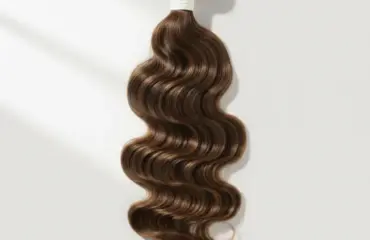
Braiding hair has gained immense popularity over the years due to its versatility, protective properties, and aesthetic appeal. Whether you’re creating box braids, Senegalese twists, or cornrows, the question "Can you cut braiding hair?" often arises as part of the styling process or prior to installation. This article explores whether cutting braiding hair is possible, the methods involved, and tips to ensure the best results.
1. Can Braiding Hair Be Cut?
Yes, braiding hair can absolutely be cut, whether it’s synthetic or human hair. Cutting is often necessary to customize the hair to your desired length, style, or volume. However, the process must be approached carefully, as improper cutting techniques can lead to fraying, uneven results, or difficulty during installation.
The ease of cutting braiding hair largely depends on the type of hair you are working with. For instance, cutting synthetic braiding hair, such as the popular SISHAIR brand, requires slightly different techniques compared to cutting human braiding hair. Both types can be trimmed or shaped, but understanding their unique properties ensures cleaner and more professional results.
2. Why Would You Cut Braiding Hair?
Cutting braiding hair is a common practice for various reasons:
- Customization of Length: Pre-packaged braiding hair may come in lengths that are too long for your desired style. Cutting allows you to achieve a more manageable or tailored look.
- Removing Tangles or Damage: Some braiding hair, especially synthetic varieties, may have tangled or uneven ends. Cutting these sections creates a smoother working surface.
- Creating Layers and Volume: For certain styles, cutting the hair into layers can add dimension and volume. This is particularly useful for voluminous braids or twists.
- Blending with Natural Hair: If you’re using braiding hair to extend or blend with your natural hair, trimming can help create a more seamless transition.
3. How to Cut Synthetic Braiding Hair
Synthetic braiding hair, such as SISHAIR Kanekalon or Toyokalon, is made from plastic-based fibers. Cutting this type of hair requires specific techniques to prevent fraying and maintain the integrity of the strands.
Materials Needed:
- Sharp scissors
- Hair bands or clips
- Comb or brush
- Heat source (optional)
Step-by-Step Process:
- Determine the Desired Length: Use a ruler or place the hair against your own to measure how much you need to cut.
- Secure the Hair: Tie the section of hair you plan to cut with a hair band to prevent it from moving during the cutting process.
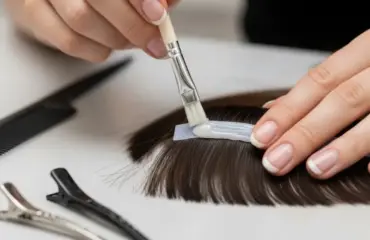
- Cut Cleanly: Use sharp scissors to make a straight cut. Dull scissors can cause jagged edges, which lead to fraying.
- Seal the Ends (Optional): Synthetic braiding hair can fray easily after cutting. To avoid this, use a lighter or boiling water to seal the cut ends. SISHAIR synthetic braiding hair, known for its high-quality fibers, responds well to heat sealing.
| Step | Synthetic Hair Tip |
|---|---|
| Cutting | Use sharp scissors for clean, straight cuts. |
| Sealing | Use heat to seal and prevent fraying. |
| Handling | Comb through gently before cutting. |
4. How to Cut Human Braiding Hair
Human braiding hair offers a more natural look and feel compared to synthetic options. Cutting human hair is generally easier and does not require sealing, but proper technique is still critical to avoid wasting the material.
Materials Needed:
- Sharp scissors
- Comb or brush
- Hair ties or clips
Step-by-Step Process:
- Prepare the Hair: Comb through the hair to remove any knots or tangles.
- Measure the Length: Similar to synthetic hair, measure the length you want to cut.
- Section the Hair: Divide the hair into manageable sections using hair bands or clips.
- Cut with Precision: Use sharp scissors to cleanly trim the hair. For a layered look, cut at an angle instead of straight across.
Unlike synthetic hair, human braiding hair does not require sealing after cutting. However, you may need to trim the ends periodically to maintain the overall look and feel of the style.
5. Common Mistakes to Avoid
While you can cut braiding hair, certain mistakes can affect the final outcome:
- Using Dull Scissors: Dull blades create jagged, uneven edges that can lead to fraying, especially in synthetic hair.
- Cutting Without Measuring: Always measure before cutting to avoid cutting too much hair and wasting material.
- Skipping Sealing: For synthetic hair, skipping the sealing process can result in frayed ends that are difficult to work with.
- Not Considering Shrinkage: Synthetic braiding hair may shrink slightly after being sealed with heat or boiling water, so consider this when cutting.
6. Tips for Better Results
To achieve the best results when cutting braiding hair, keep the following tips in mind:
- Use scissors specifically designed for hairdressing to ensure precise cuts.
- Work in small sections to maintain accuracy and control.
- For synthetic hair, choose high-quality brands like SISHAIR, which are easier to cut and seal.
- Practice on a small section of hair before cutting the entire bundle to ensure you’re satisfied with the technique and results.
7. Conclusion
In summary, cutting braiding hair is not only possible but often necessary to achieve your desired style, length, or volume. Whether you’re working with synthetic hair like SISHAIR or human braiding hair, proper techniques and tools are essential for clean and professional results. By understanding the unique properties of the hair and following the outlined steps, you can confidently cut braiding hair to enhance your hairstyle. With care and attention, the process can be seamless, resulting in a look that’s tailored to your preferences.