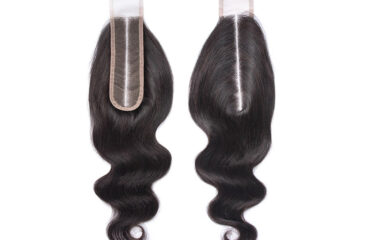
How to Lighten Black Virgin Hair

Black virgin hair, often celebrated for its natural beauty and strength, can be challenging to lighten due to its deep pigment and untreated state. However, with the right techniques and products, you can achieve a lighter shade without compromising the health of your hair. This article will guide you through the process of lightening black virgin hair safely and effectively.
1. Understand Your Hair Type and Goals
Before beginning the lightening process, assess your hair type and clarify your desired results. Black virgin hair, untouched by previous chemical treatments, is less porous than processed hair, making it more resistant to lightening. Decide whether you want a subtle light brown shade, golden highlights, or a bold blonde look. Knowing your goals will help you choose the right method and products.
2. Choose the Right Products
Selecting the correct lightening products is essential for achieving even and desirable results. When working with black virgin hair, consider using high-quality bleach or lightening agents designed specifically for dark, untreated hair. Brands like SISHAIR offer products tailored to strong pigmentation, ensuring effective lifting while minimizing damage. Remember to pick a developer (peroxide) volume that suits your needs—20 volume for subtle lightening, 30 volume for moderate lift, or 40 volume for significant changes.
| Developer Volume | Purpose | Recommended Use |
|---|---|---|
| 20 Volume | Slight lightening (1-2 levels) | For subtle highlights or soft brown tones. |
| 30 Volume | Moderate lift (2-3 levels) | For medium brown or golden shades. |
| 40 Volume | High lift (3-4 levels) | For blonde or bold lightening but with caution. |
3. Prepare for the Lightening Process
Preparation is key to achieving optimal results and maintaining the health of your hair. Follow these steps:
- Moisturize your hair: Black virgin hair can become dry during the bleaching process. Incorporate deep conditioning treatments or hair masks into your routine leading up to the lightening session.
- Protect your scalp: Avoid shampooing your hair for 48 hours before the process. The natural oils on your scalp act as a barrier against irritation from the chemicals.
- Gather your tools: Ensure you have a mixing bowl, application brush, gloves, clips for sectioning, and a timer.
4. Perform a Strand Test
Before applying any lightening product to your entire head, perform a strand test. This will help you determine how your hair reacts to the product and how long it takes to achieve your desired shade. Choose a small section of hair at the back of your head, apply the bleach, and monitor the results. Adjust processing time or product strength if needed.
5. Section Your Hair
Dividing your hair into smaller sections ensures even coverage and better control during the application. Use clips to create four to six sections, depending on your hair thickness. Start applying the lightening product from the ends to the roots, as the roots tend to lighten faster due to heat from the scalp.
6. Apply the Lightening Product
Mix the lightening agent and developer according to the manufacturer’s instructions. For even application:
- Start from the back of your head and work toward the front.
- Focus initially on the mid-lengths and ends to avoid over-processing the roots.
- Ensure each strand is fully saturated with the product for consistent lightening.
Monitor your hair closely during the process. Depending on your chosen developer, the lightening process can take anywhere from 20 to 45 minutes. Avoid leaving the bleach on for longer than recommended to prevent damage.
7. Rinse and Tone Your Hair
Once your hair has reached the desired level of lightness, rinse out the bleach thoroughly with lukewarm water. Follow up with a toner to neutralize any brassy or orange undertones. Toners are especially important for achieving cool or ashy shades. SISHAIR toners are a reliable choice for long-lasting, vibrant results.
8. Deep Condition and Repair
After lightening, your hair will need extra care to restore moisture and strength. Use a deep conditioning treatment or protein mask to minimize dryness and breakage. Consider adding a leave-in conditioner or hair oil to your routine for ongoing hydration.
9. Maintain Your Lighter Hair
To keep your newly lightened hair looking vibrant and healthy:
- Use sulfate-free shampoos and conditioners designed for color-treated hair.
- Limit heat styling and always use a heat protectant when necessary.
- Schedule regular trims to remove split ends and maintain overall hair health.
| Maintenance Tip | Reason |
|---|---|
| Use sulfate-free products | Prevents color fading and dryness. |
| Avoid frequent washing | Preserves moisture and prevents stripping oils. |
| Apply UV protection | Shields hair from sun damage and fading. |
10. Seek Professional Help if Needed
If you’re unsure about the lightening process or want to achieve a complex color result, consult a professional hairstylist. An experienced colorist can ensure your hair lightens evenly and safely while minimizing the risk of damage.
Conclusion
Lightening black virgin hair is a transformative process that requires careful preparation, the right products, and proper aftercare. By following these steps and prioritizing your hair’s health, you can achieve stunning results without compromising its natural beauty. Whether you’re opting for a subtle change or a bold new look, taking the time to treat your hair with care ensures it remains strong, shiny, and healthy throughout the process.