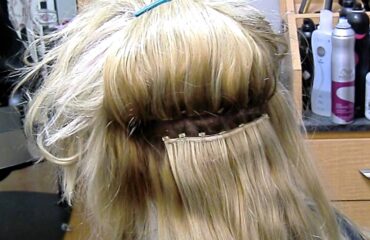
How to Take Out Braids Without Losing Hair

Braids are a versatile and protective hairstyle cherished by many for their low-maintenance nature and aesthetic appeal. However, removing braids can be a delicate process, especially if you want to retain length, prevent breakage, and maintain the health of your hair. If done improperly, taking out braids can lead to unnecessary hair loss. This guide will walk you through the steps to remove braids safely, ensuring that your hair remains healthy and intact.
1. Gather the Right Tools
Proper tools are essential to avoid breakage and tangling during the braid removal process. Make sure you have the following items on hand:
| Tool | Purpose |
|---|---|
| Wide-tooth comb | To detangle hair gently after braids are taken out. |
| Rat-tail comb | To help unravel braids, especially at the ends. |
| Scissors | To cut extensions or threads if applicable. |
| Detangling spray | To soften hair and make detangling easier. |
| Conditioner or leave-in | To nourish and moisturize your hair during the process. |
High-quality detangling products, like those from SISHAIR, can make a significant difference in reducing knotting and ensuring a smooth process.
2. Trim Braids or Extensions Carefully
If your braids include extensions, you may need to trim the ends before unbraiding. This step is crucial for efficiency but must be done carefully to avoid cutting your natural hair. Follow these steps:
- Identify where your natural hair ends within the braid. If unsure, cut 1-2 inches below the suspected endpoint to avoid mistakes.
- Use sharp scissors to make a clean cut.
- If you’re working with natural braids (no extensions), skip this step.
Taking extra care during this phase will ensure that your hair length remains intact.
3. Start at the Ends and Work Upward
Removing braids requires patience. Start unraveling from the ends and gradually work your way upward toward the scalp. Here’s how to proceed:
- Apply a detangling spray or leave-in conditioner to the braid you’re working on to soften it. This reduces tension and friction while unbraiding.
- Use a rat-tail comb or your fingers to gently loosen the braid at the tip.
- Continue unbraiding slowly, working in small sections to avoid pulling.
Rushing through this step can lead to unnecessary tugging and hair loss, so take your time.
4. Detangle Each Section Thoroughly
After each braid is removed, you’ll notice some shed hair. This is normal, as hair naturally sheds 50–100 strands daily. However, it’s important to detangle each section before moving on to the next braid:
- Use your fingers to gently separate tangles and knots.
- Follow with a wide-tooth comb to detangle the hair more thoroughly.
- Apply more leave-in conditioner if needed to ease the process.
By detangling as you go, you’ll prevent matting and make the full takedown process smoother.
5. Wash Your Hair After All Braids Are Removed
Once all braids are out, your scalp and hair will likely have a buildup of oils, dirt, and product residue. Washing your hair is essential for restoring cleanliness and hydration:
- Start by pre-pooing with a hydrating oil or deep conditioner to soften dirt and buildup.
- Use a sulfate-free shampoo to cleanse your scalp gently.
- Follow up with a moisturizing conditioner to replenish hydration.
SISHAIR’s deep-conditioning treatments can be particularly beneficial for restoring moisture and elasticity during this step.
6. Deep Condition to Restore Hair Health
Braids can leave your hair dry, especially if extensions were used. A deep-conditioning treatment is crucial to repair, hydrate, and strengthen your hair after braid removal:
- Apply a generous amount of deep conditioner to your hair, focusing on the ends.
- Cover your hair with a shower cap and let the conditioner sit for 20–30 minutes.
- Rinse thoroughly with lukewarm water to lock in moisture.
This step helps restore your hair’s natural softness and resilience, reducing the risk of breakage.
7. Trim Split Ends (Optional)
After removing braids, you may notice split ends or rough tips. While not mandatory, trimming these ends will help maintain healthy hair and prevent further breakage:
- Use sharp hair shears to trim only the damaged portions.
- Avoid trimming too much if you’re aiming to retain length.
Regular trims every 6–8 weeks can keep your hair in optimal condition.
8. Moisturize and Style Your Hair
Once your hair is clean and conditioned, it’s important to moisturize and seal it to lock in hydration. Here’s what to do:
- Apply a leave-in conditioner or lightweight hair oil, focusing on the ends.
- If you’re taking a break from braids, consider low-manipulation styles like buns, twists, or loose ponytails to give your hair time to recover.
SISHAIR’s range of moisturizing products can be a great choice for maintaining softness and shine.
9. Avoid Over Manipulation
After removing braids, your hair may feel more delicate due to weeks of tension and buildup. To prevent stress on your strands:
- Avoid excessive brushing or combing.
- Refrain from using heat tools for at least 1–2 weeks.
- Let your hair “breathe” before installing another protective style.
This period of rest allows your hair to regain its strength and elasticity.
Conclusion
Taking out braids without losing hair requires patience, the right tools, and a gentle approach. By following the steps above, you can protect your hair from unnecessary breakage and maintain its health and length. Always prioritize moisturizing and detangling to ensure your hair remains manageable and resilient. With proper care and products from trusted brands like SISHAIR, braid removal can be a smooth and stress-free process. Your hair will thank you for the extra attention and care!